42 years of phones, and why every winner was laughed at first
Mrwhosetheboss borrowed phones from the Mobile Phone Museum and tested them in order, from the 1984 brick to the 2026 foldable. These notes walk through 16 of them with real photos, the numbers, and what a business owner takes from each turn.
Video: Mrwhosetheboss · 37 min · 9 Nov 2026
1. The 16 phones, in order
Orange year tags changed the market. Pink tags stumbled at launch. Each timestamp opens the video at that moment.
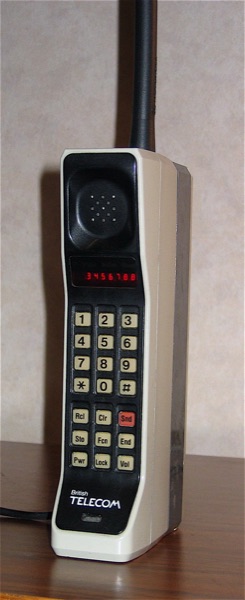
1984Motorola DynaTAC 8000X
Before this, a mobile phone meant a handset bolted into a car, wired to a 10 kg radio box. Cellular networks split a city into small cells, each with its own tower. A nearby tower means low power, and low power means a phone you hold in your hand.
The bigger change: a phone number now belonged to a person, not a building. Martin Cooper, who led the Motorola team, is called the father of the cell phone.
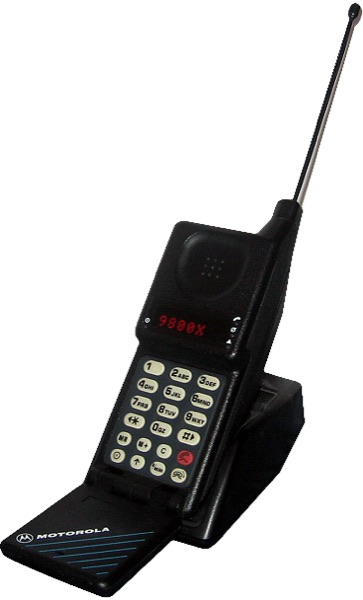
1989Motorola MicroTAC 9800X
The goal was a phone for the pocket, not the briefcase. Half the weight of the DynaTAC, with a flip that put the microphone near your mouth and hung up the call when closed. It added a menu, saved numbers by name, and let you pick a battery size.
The antenna on top was fake. The real one sat inside, but focus groups would not believe a phone worked without one. The landline icon on today's phone app is the same habit.
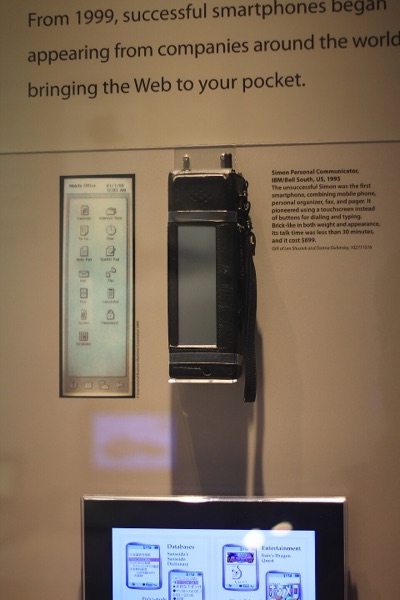
1994IBM Simon
Until now radio companies made phones and cared only about size. IBM, a computer company, built a phone that thinks. Touchscreen, stylus, notes, a keyboard with word prediction, email, fax and Scramble, often called the first mobile game. The word "smartphone" did not exist yet.
It failed. One hour of talk time when rivals did two, and it ran on 1G with no SMS or mobile data. The idea was right, the network was wrong.
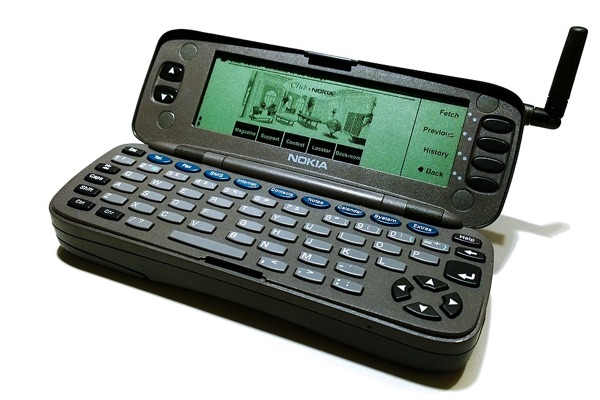
1996Nokia 9000 Communicator
The same smart idea, built on 2G. Shut, it looks like a normal Nokia. Open, it is a small computer with a full keyboard, calendar, notes, a ringtone composer and a web button. You spoke into the back because there was no room left on the front.
Nokia also released a kit for outside developers. That is the seed of the app store, 12 years early.
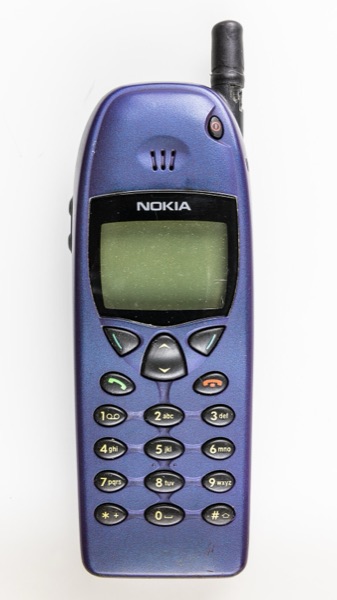
1997Nokia 6110
The mass-market winner. Small enough to wrap a hand around, a menu anyone understood, a calculator and calendar, at a normal price. And Snake, the game that made mobile gaming a habit for millions.
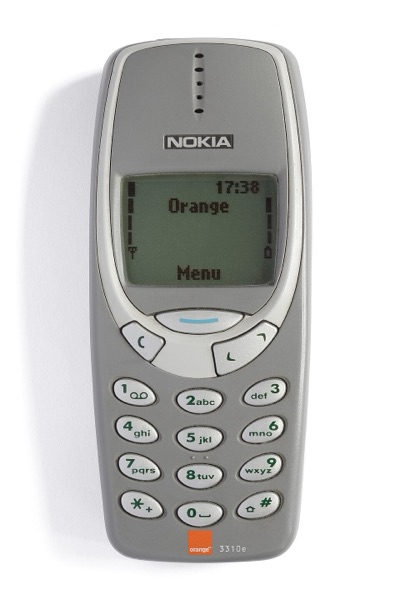
2000Nokia 3310
The external antenna finally went inside. Smaller, tougher, and famous for surviving drops. Mrwhosetheboss dropped one by accident during filming and it kept working.
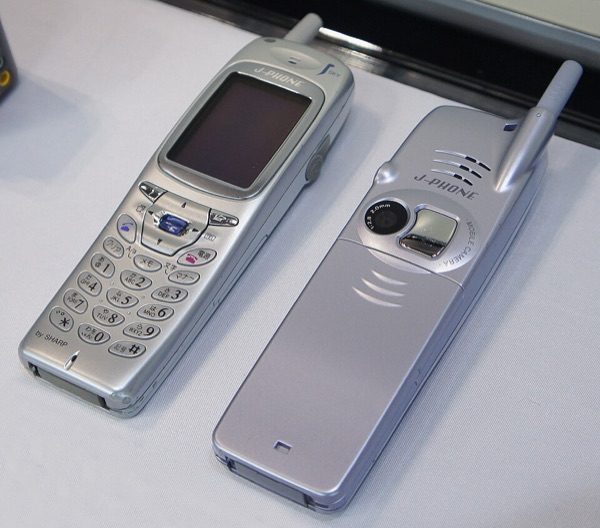
2000Sharp J-SH04
Kyocera's VP-210 had a camera first but could not send photos. Sharp's J-SH04 could, which made it the first true camera phone. It had a tiny mirror beside the lens for selfies.
Japan's two biggest networks, NTT Docomo and KDDI, turned it down. The smallest, J-Phone, took it but ordered 10,000 units with only 2,000 camera versions. The camera units sold out in weeks. The rest sat on shelves.
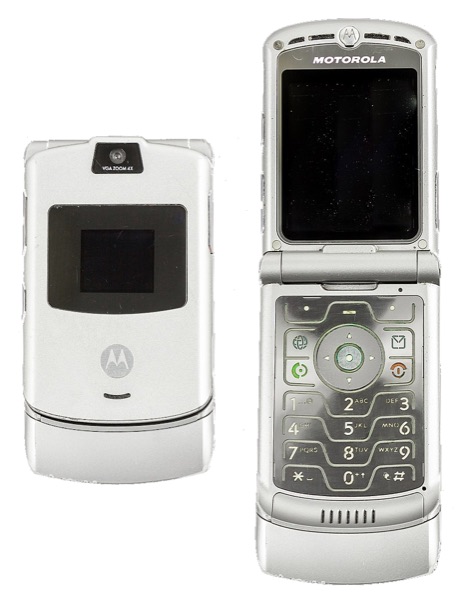
2004Motorola Razr V3
Motorola had fallen behind Nokia. A small team bet on how a phone makes you feel, not what it does. Very thin, a metal keypad, two screens, a camera.
Motorola only approved phones with a clear forecast of 3 million sales. Nobody forecasts something new, so the team built it in secret, on evenings and weekends. Then Motorola sold the same Razr in new colours for 4 years while Nokia moved on.
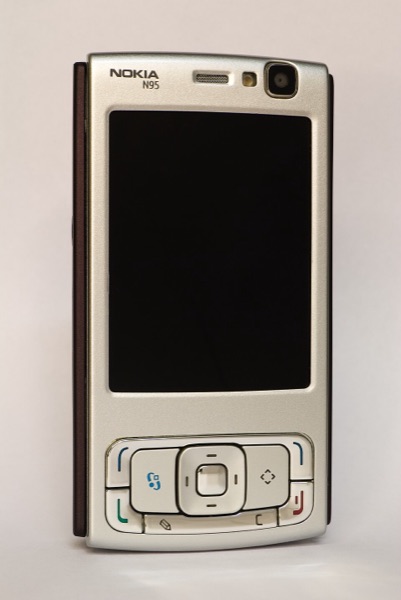
2006Nokia N95
Nokia ended the feature race by putting five gadgets in one: GPS with maps for 150+ countries, an MP3 player with stereo speakers and a headphone jack, a 5 MP autofocus camera with video, 3G and a phone. It slid two ways, keypad one way and music keys the other. 3D games like Asphalt arrived.
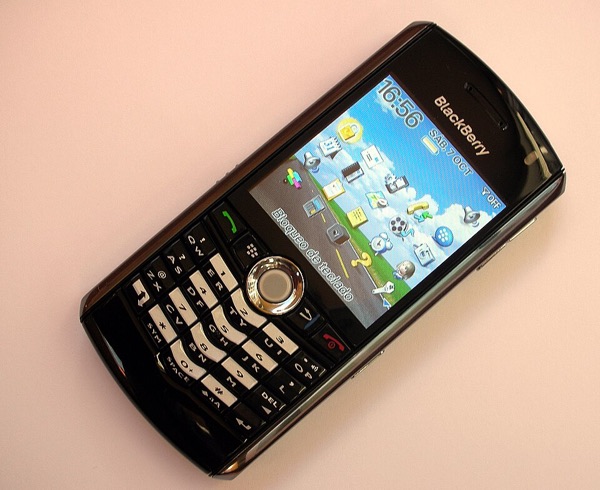
2006BlackBerry
The other choice for serious users. Great keyboards, long battery and BlackBerry Messenger, fast free messaging years before WhatsApp. The glory lasted only until the iPhone.
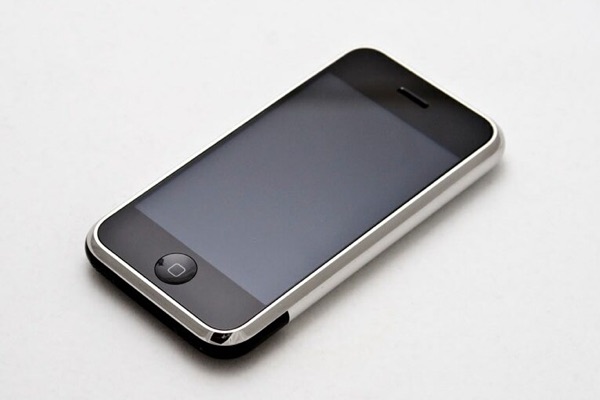
2007Apple iPhone
It looks like the moment everything changed. At the time it did not feel like one. Reviews were mixed: slow 2G EDGE data while the N95 had 3G, a 2 MP camera with no autofocus, and hard typing. Apple cut the price by $200 within about two months and gave early buyers $100 credit. Apple's value fell $7 billion in a day.
The App Store fixed it, a year and a half later. Before that, carriers controlled app shelves and took 40 to 50%. Apple offered one build for every iPhone, apps on the home screen, the developer keeps 70%, and free apps cost nothing to list.
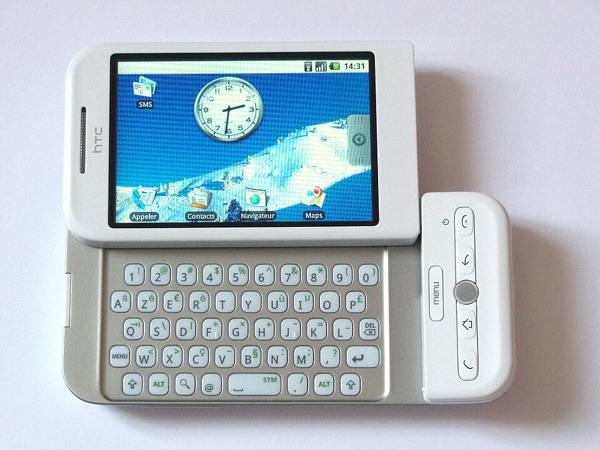
2008HTC Dream
Android began in 2003 as software for digital cameras. Google bought it in 2005 for about $50 million. Its first phone was a BlackBerry copy. When Andy Rubin watched the iPhone keynote from a car in Las Vegas, he said they would not ship that phone, and the team switched to a touchscreen design.
The Dream felt patched together: touchscreen, slide-out keyboard, trackball, and no on-screen keyboard at launch. It did not matter. Google gave Android away free, so every maker that feared the iPhone joined. It became everyone against Apple. Nokia went to Windows Phone instead and sold its phone business to Microsoft within 7 years of the N95.
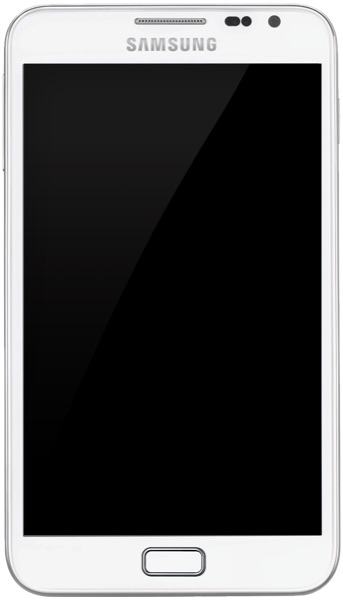
2011Samsung Galaxy Note
Phones had settled between 3.5 and 4.3 inches. Steve Jobs said a bigger phone would fix the iPhone 4's signal problem but "no one's going to buy that", and called big Android phones Hummers. Samsung launched a 5.3 inch phone with a stylus, the two things Jobs said nobody wanted.
Wired gave it 4 out of 10 and Gizmodo 2.5. Critics missed 4G. Wider channels and many antennas made video streaming normal, and big screens suit video. Three years later Apple made plus-size phones too.
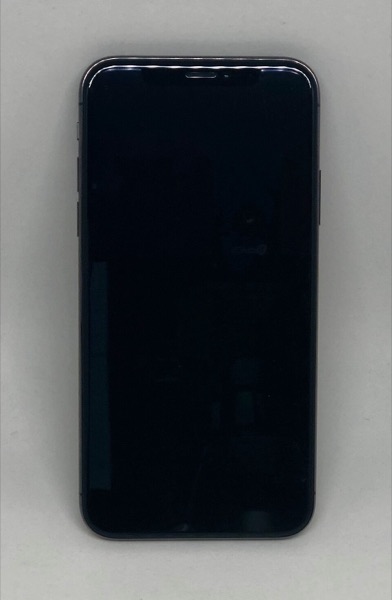
2017Apple iPhone X
Hands do not grow, so to get more screen, phones dropped everything on the front. Xiaomi's Mi Mix in 2016, Samsung's S8 without a home button, then the iPhone X, 10 years after the first iPhone. Thin bezels, Face ID that worked on day one, and the notch that rivals mocked and then copied.
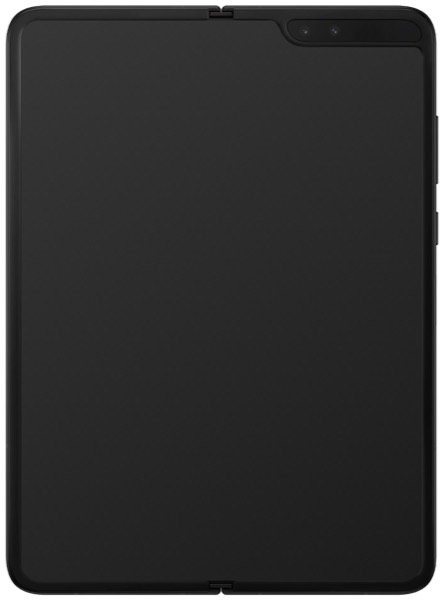
2019Samsung Galaxy Fold
Once the whole front is screen, the only way to grow is to bend. Review units broke within days. Some reviewers peeled off what looked like a screen protector but was part of the display, and dirt got in through the hinge. Samsung pulled every unit and relaunched 5 months later.
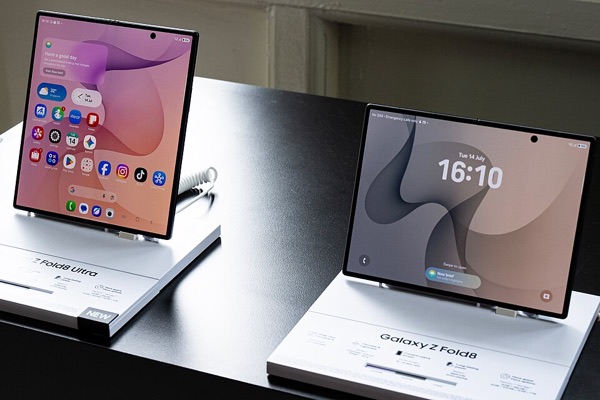
2026Samsung Galaxy Z Fold 8 Ultra
Seven years on, the shaky launch looks like a starting gun. The Fold 8 Ultra is 48% thinner than the first Fold, with a cover screen twice the size in about the same footprint. Apple now makes a foldable too, with stylus support.
2. Transcript summary, chapter by chapter
A summary in Claude's own words, not a word-for-word transcript. Tap a time to open the video there.
- 0:00The setup. 42 years of phones from the Mobile Phone Museum in one room. 1980s car phones: a handset wired to a 10 kg radio box, only for business people.
- 0:35Cellular explained. One giant tower per city gives way to a honeycomb of small cells that hand your call along as you move. Phones still work this way.
- 1:09DynaTAC 8000X, 1984. 30 minutes of talk for 10 hours of charge, about $13,000 today. A phone number now belongs to a person.
- 2:18The war on size. MicroTAC 9800X at half the weight, the flip, menus, saved names, and the fake antenna that focus groups demanded.
- 4:051G problems. Calls are radio broadcasts anyone can hear, and networks run out of room as handset subsidies spread.
- 4:392G. Voice becomes numbers: compressed, scrambled, and able to carry data. The first SMS, "Merry Christmas", December 1992.
- 5:50IBM Simon, 1994. A computer company builds the first smartphone. Touchscreen, stylus, predictive keyboard, Scramble. It fails on battery and network.
- 7:36Nokia 9000 Communicator, 1996. The smart idea on 2G, with a full keyboard, a ringtone composer, and a developer kit that seeds the app store.
- 11:11Nokia 6110. A mainstream price, the easiest menu of its time, and Snake. He scores 72, then 90.
- 13:01Nokia 3310, 2000. He drops it by accident. It survives. 126 million sold.
- 13:45EDGE (2.75G) triples data speed, so photos travel. The first camera phones: Kyocera VP-210, then Sharp J-SH04 at 0.11 MP, rejected by Japan's two biggest networks.
- 15:37The feature arms race. Nokia leads, Motorola trails after betting on 1G. A small team builds the Razr V3 in secret. 100 million+ sold.
- 18:42Motorola sells the same Razr for 4 years. Nokia's N95 puts satnav, MP3, camera, camcorder and phone in one device.
- 21:48BlackBerry and BBM, messaging before WhatsApp.
- 22:29iPhone, 2007. Beautiful but slow on EDGE, weak camera, mixed reviews, a $200 price cut and a $7 billion drop in value in one day.
- 24:46The App Store. One build for every iPhone, 70% to the developer, free apps free to list. The rest of the industry panics.
- 25:51Android's story. Camera software, bought by Google for $50 million, a BlackBerry clone scrapped after the iPhone keynote, then the HTC Dream.
- 27:36Why Android won: given away to every maker. Nokia bets on Windows Phone and sells to Microsoft. Samsung stays with Android.
- 29:19Big phones. Jobs says nobody wants one. Samsung's Galaxy Note gets 2.5 out of 10. 4G makes video normal and big screens win.
- 31:31Sponsor segment (Surfshark), skipped in these notes.
- 32:38All-screen phones. Mi Mix, Galaxy S8, then the iPhone X with Face ID, the notch and the first $1,000 price.
- 34:23Foldables. The Galaxy Fold breaks in reviewers' hands, gets pulled and relaunched. Today's Z Fold 8 Ultra is 48% thinner. Apple folds too.
- 36:085G and the totals. From 30 minutes of talk to 300 hours, 0.1 MP to 200 MP, 9.6 kbps to 4 Gbps, a watch chip to nearly a billion times more power.
- 36:30The lesson. Every phone that created change was laughed at first.
3. 1G to 5G in plain words
| Network | Era | What it changed | What it made possible |
|---|---|---|---|
| 1G | 1980s | Small cells and call handoff | Phones you carry. Calls open to any radio scanner. |
| 2G | 1990s | Voice sent as numbers, compressed and scrambled | Private calls, more users per tower, SMS |
| 2.75G EDGE | 2003 | About 3× the data speed | Sending photos, so camera phones took off |
| 3G | 2000s | Radio channels 25× wider | A real web browser on the phone |
| 4G | 2010s | Wider channels plus many antennas at both ends | Video streaming and big screens |
| 5G | 2020s | Much shorter radio waves | 20× faster than 4G near a 5G mmWave tower |
4. Then vs now
| Measure | 1984 to 2000 | 2026 | Change |
|---|---|---|---|
| Talk time per 10 h charge | 30 min | ~300 h | 600× |
| Camera | 0.11 MP (2000) | 200 MP | ~2,000× |
| Data speed | 9.6 kbps | 4+ Gbps | ~400,000× |
| Chip | 8 MHz watch chip | Flagship CPU and GPU | ~1 billion× |
| Price of the top phone | ~$13,000 (today's $) | ~$1,000 and up | far cheaper |
Numbers are the video's own estimates. Early phone power figures are rough.
5. Laughed at, then copied
- Fake antenna, 1989. Focus groups would not buy a phone without one sticking out.
- Camera phone, 2000. Japan's two biggest networks said nobody wants one.
- Razr, 2004. Motorola's own approval rules would have blocked it.
- iPhone, 2007. Price cut within two months. Reviewers preferred the BlackBerry keyboard.
- Galaxy Note, 2011. "No one's going to buy that." Reviewed 2.5 out of 10.
- iPhone X notch, 2017. Mocked by rivals, then copied by most of them.
- Galaxy Fold, 2019. Broke in testers' hands and got pulled.
6. Lessons for a business owner
- Fund the next product while the current one sells. Motorola sold one Razr for 4 years. Nokia used those years to build the N95.
- Check the timing, not only the idea. The IBM Simon had the right idea on the wrong network. Ask what your customer's setup supports today.
- Open your product to partners. The App Store and free Android both won by letting others build on them. Nokia had a developer kit in 1996 and never pushed it.
- Test a doubtful idea small. J-Phone made only 2,000 camera units. They sold out and proved the market.
- Protect side projects from your own rules. The Razr needed a secret team because the 3 million sales rule killed anything new.
- Expect bad reviews on launch day. The iPhone, Note and Fold all started badly. Fix fast, like Samsung's 5-month relaunch.
FAQ
What was the first mobile phone you could hold?
The Motorola DynaTAC 8000X from 1984. A 10-hour charge gave about 30 minutes of talk, and it cost about $13,000 in today's money.
What was the first smartphone?
Many count the IBM Simon from 1994: touchscreen, stylus, predictive keyboard, email and fax. It sold about 50,000 because of a one-hour battery and the old 1G network.
What was the first camera phone?
Kyocera's VP-210 came first but could not send photos. Sharp's J-SH04 on J-Phone in 2000 could, with a 0.11 MP camera and a selfie mirror.
Why did the first iPhone struggle at launch?
Slow 2G EDGE data, a 2 MP camera without autofocus and hard typing. Apple cut the price by $200 within two months. The App Store turned it around.
How did Android beat everyone except Apple?
Google gave it away free to every phone maker, so they all joined and Android's user base passed Apple's quickly.
How much have phones improved since 1984?
Talk time from 30 minutes to about 300 hours per 10-hour charge, cameras about 2,000×, data about 400,000×, and chips close to a billion times more capable.
Photo credits
All photos are real product photos from Wikimedia Commons, resized to 600 px. Click a file for its full licence.
| Phone | Photo by | Licence |
|---|---|---|
| Motorola DynaTAC 8000X | Redrum0486 | CC BY-SA 3.0 |
| Motorola MicroTAC 9800X | Ross Padluck (Redrum0486 at English Wikipedia) | Public domain |
| IBM Simon | Michael Hicks from Saint Paul, MN, USA | CC BY 2.0 |
| Nokia 9000 Communicator | textlad | CC BY 2.0 |
| Nokia 6110 | Raimond Spekking | CC BY-SA 4.0 |
| Nokia 3310 | Multicherry | CC BY-SA 4.0 |
| Sharp J-SH04 | Morio | CC BY-SA 3.0 |
| Motorola Razr V3 | Raimond Spekking | CC BY-SA 4.0 |
| Nokia N95 | Asim18 | CC BY-SA 3.0 |
| BlackBerry Pearl | Enrique Dans from Madrid, Spain | CC BY 2.0 |
| Apple iPhone (2007) | Carl Berkeley from Riverside California | CC BY-SA 2.0 |
| HTC Dream | Akela NDE | CC BY-SA 3.0 |
| Samsung Galaxy Note | GadgetsGuy | CC BY 3.0 |
| Apple iPhone X | Gregory Varnum | CC BY-SA 4.0 |
| Samsung Galaxy Fold | Louis PL | CC BY-SA 4.0 |
| Samsung Galaxy Z Fold8 / Fold8 Ultra | ScribblingGeek | CC BY-SA 4.0 |


