Fifty years in Dubai. The full story.
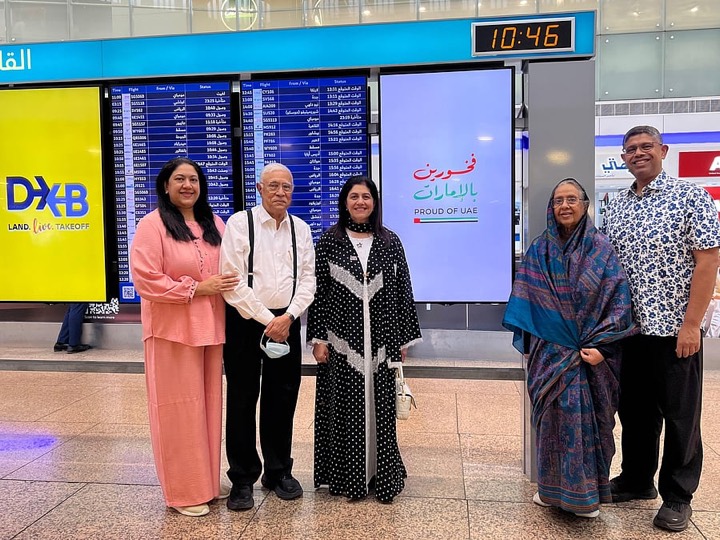
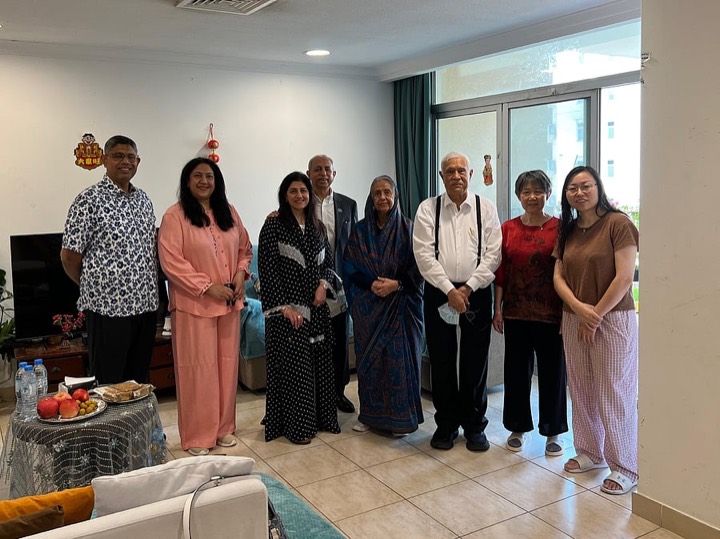
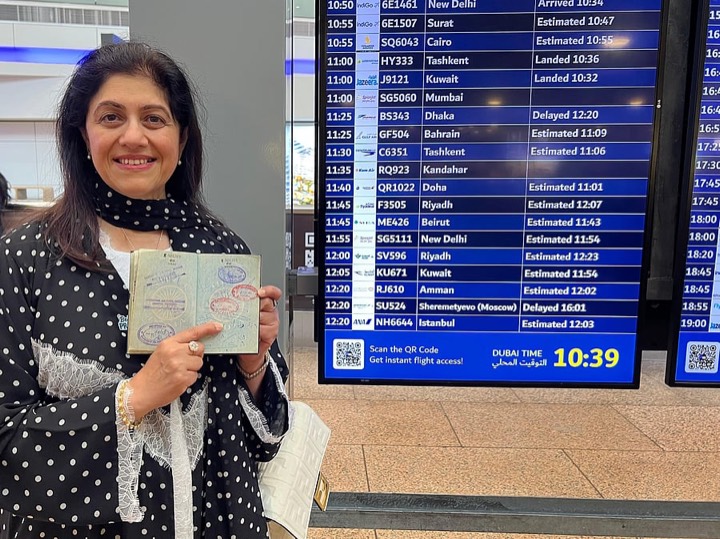
On Wednesday 7 October 2026 the Mohiuddin family met in the arrivals area of Terminal 1 at Dubai International Airport. Fifty years earlier, to the day, three of them had walked out of that hall for the first time. The stamp dated 7 October 1976 is still in their passports. From the airport they drove to the two flats that were home in their first years here, and both doors opened.
Who they are
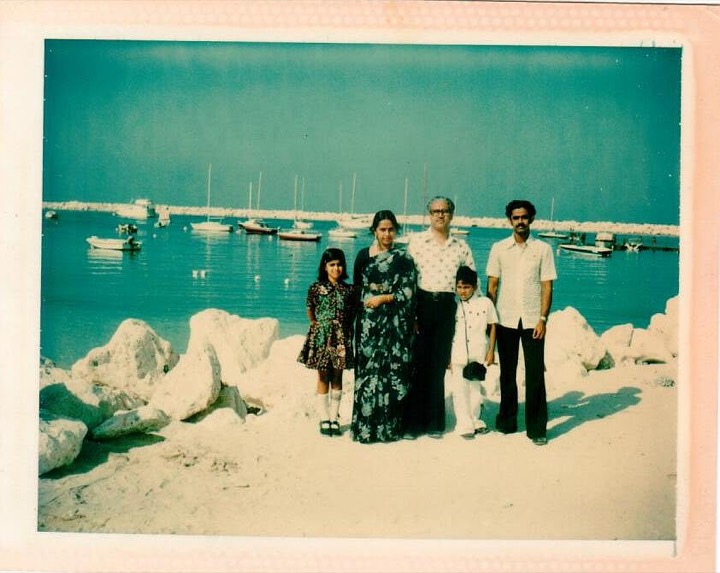
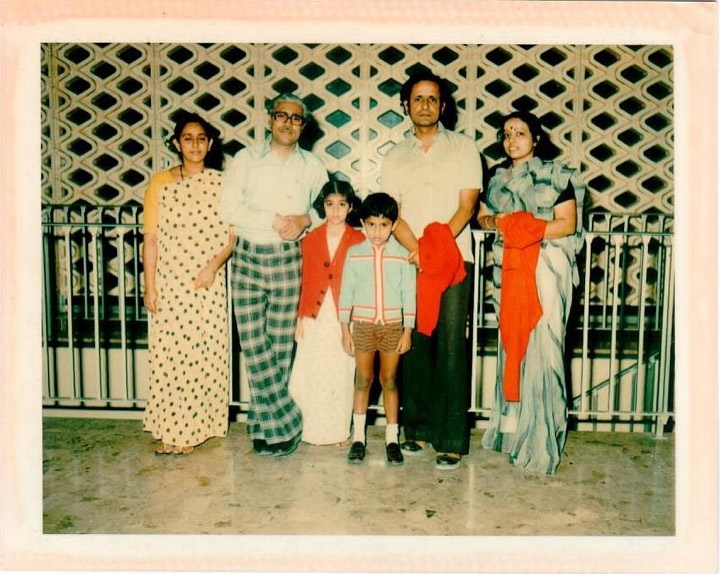
MM Mohiuddin is an engineer from Tamil Nadu. He came to Dubai alone in 1975, when most of the city sat on a few streets either side of the Creek. Meetings with local businessmen who talked about the future convinced him to stay, and he joined ETA-ASCON. His wife Shameem and two children, Tasneem and Arif, then aged seven and five, followed on 7 October 1976. A third child, Tabassum, was born a year later at Rashid Hospital.
He expected the whole family to go back to India after a few years. It has now been fifty. Dr Tasneem Jamil is today deputy managing director of Prime Healthcare Group. Her husband, Dr Jamil Ahmed, founded the group. Arif built a finance career in New York and keeps a home in Dubai. Tabassum also came back to live here.
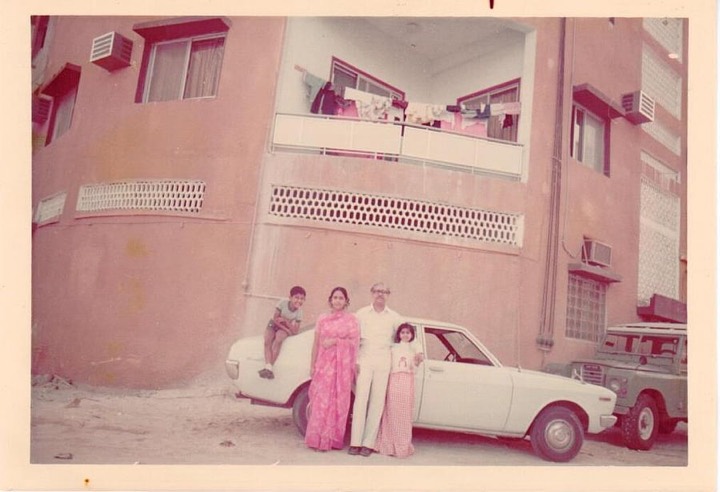
The first home: near Fish Roundabout
The first stop on the retraced route was a building opposite the water tank near Fish Roundabout in Deira. "Our whole life used to revolve around that building. Nothing else was there," Dr Tasneem told Gulf News. Towers have since gone up on every side, but the building itself still stands, and the family living there now invited the Mohiuddins in.
The second home: apartment 609, Al Ghurair Centre
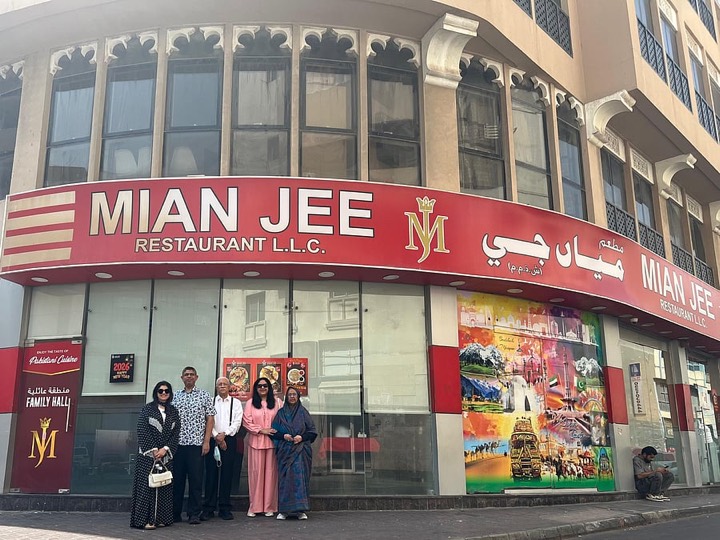
Al Ghurair Centre opened in 1981 as the city's first mall. Mohiuddin rented an apartment in its residence tower, and he still remembers the tenancy contract number: 003. The family were the building's third tenants. "It was a whole new world for us," Dr Tasneem said. They stayed until 2002.
For the first six months the tower was almost empty. Dr Tasneem's grandmother, who lived with them, would walk the corridors after breakfast ringing doorbells, looking for a neighbour. In India, neighbours were everything. She eventually found the first ones at the far end of the corridor. On the 2026 visit, a Chinese family now living in 609 gave the Mohiuddins the same welcome.
The Dubai the children remember
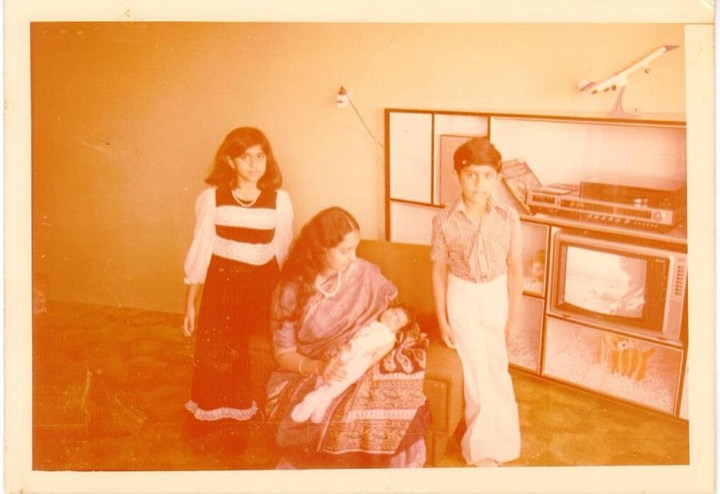
Small and simple, with more sand than buildings. You could almost walk in a straight line between places. Children cycled and played football in the street. On the road to Abu Dhabi the World Trade Centre stood alone, with nothing around it as far as you could see.
Home delivery meant Shameem stepping onto the balcony and shouting her grocery order down to the corner shopkeeper, who carried it across the street. So the opening of Al Rawabi, the first supermarket in their Deira neighbourhood, was an event. The children walked the aisles and picked up milk, chocolate and fruit themselves.
The firsts
- Al Rawabi, first supermarket in the neighbourhood.
- Al Fajer Department Store, Bur Dubai, the city's first escalators. The kids rode them up and down for fun.
- Al Ghurair Centre, 1981, the first mall.
- Dairy Queen, Jumeirah, first fast food.
- Choithrams, where Shameem, a keen cook, found every Indian ingredient she needed.
- Mushrif Park at weekends: the children learnt to swim there, and the family barbecued with friends.
- Baba Yaseen, the children's variety show, watched every evening without understanding the Arabic.
The hard parts
It was months before the couple had a car, and taxis were few. Getting three children to school was a puzzle, solved by friends who shared the school run on alternate days. The son's classroom at The Indian High School was a portacabin, which worried the parents for a while, but the schools grew fast. Neighbours, shopkeepers and colleagues' families made the city feel like home sooner than anyone expected. The two older children, seven and five, barely noticed the worry. They remember liking the flat and making friends on the first day of school.
The father's career
At ETA, Mohiuddin set up new divisions from air conditioning to power projects. By the time he retired, more than 8,000 people reported to him. His daughter remembers a man who shuttled between Dubai and Abu Dhabi, walked construction sites in the summer heat, and still turned up to cultural and community events with the children in tow.
"There are no shortcuts to success."What he taught his children, as told by Dr Tasneem
He also taught them to build networks, and that Dubai rewards hard work and persistence. After retiring he wrote two books, Triumph of Humility: The Making of ETA and Sense and Nonsense. Shameem published a cookbook, Shameem Mohiuddin's Dakhni Delights, preserving hard-to-find recipes of South Indian Muslim cooking.
Why they stayed
The parents never spoke of going back to India, which told the children where home was. The family visited Madras, now Chennai, every year, and by the end of each holiday they were ready to return. Dr Tasneem's husband needed persuading. He came two or three years after their wedding in Chennai "only to see". Once he saw the city his mind changed, and he went on to found Prime Healthcare Group.
Through the Iran-Iraq war, the first Gulf War, the 2008 financial crisis, Covid-19 and the latest regional tension, the family's faith in Dubai has held. "Our family's future has always been intertwined with Dubai's, and we have never doubted that this is our country," Dr Tasneem said. During the recent uncertainty she visited the group's branches in person to reassure staff that services would continue.
The mantra her team uses
"The race for excellence has no finish line." The words of His Highness Sheikh Mohammed bin Rashid Al Maktoum, Vice President and Prime Minister of the UAE and Ruler of Dubai. She also credits the city's attention to infrastructure, quality of life, and doing things on time. Convenience, she says, is a big reason people stay.
Growing up among many nationalities left the siblings with friends of every faith and background, and a habit of telling people abroad that they are from Dubai. Her own children, all doctors, plan to settle here after advanced training overseas. One thing has not changed at all: the family still meets at Chicken Tikka Inn, a Pakistani grilled chicken restaurant they have been going to since 1976.
Then and now
| 1976 | 2026 | |
|---|---|---|
| The city | A few streets either side of the Creek. World Trade Centre alone on the Abu Dhabi road. | Towers on every side of the first building. |
| Shopping | Shout the order from the balcony to the corner shop. | The city's first supermarket, escalators and mall are all part of family memory. |
| Getting around | No car for months. Taxis rare. Shared school run. | The old route driven in a morning. |
| Evenings | Two TV channels. Baba Yaseen in Arabic. | Grandchildren training as doctors abroad, planning to come back. |
| Plan | Return to India after a few years. | "This is our country." |
FAQ
When did the family arrive in Dubai?
The father arrived in 1975. His wife and two children landed on 7 October 1976. The arrival stamp from that day is still in their passports.
Where were the first two homes?
A flat opposite the water tank near Fish Roundabout in Deira, then apartment 609 in the residence tower of Al Ghurair Centre, from the early 1980s until 2002.
Which Dubai firsts does the family remember?
Al Rawabi supermarket, Al Fajer's escalators, Al Ghurair Centre, Dairy Queen in Jumeirah, Choithrams, Mushrif Park weekends and Baba Yaseen on television.
What did the father do?
An engineer at ETA from 1975. He set up divisions from air conditioning to power projects and had more than 8,000 people reporting to him by retirement. He later wrote two books.
Did they ever plan to go back?
The father expected to return after a few years. The parents never spoke of leaving, two of the three children built lives in Dubai, and the grandchildren plan to settle here too.
Back to the one page
The whole journey on one screen: photo album, timeline, the numbers, the route, the firsts, then and now.
← One page Download PDF