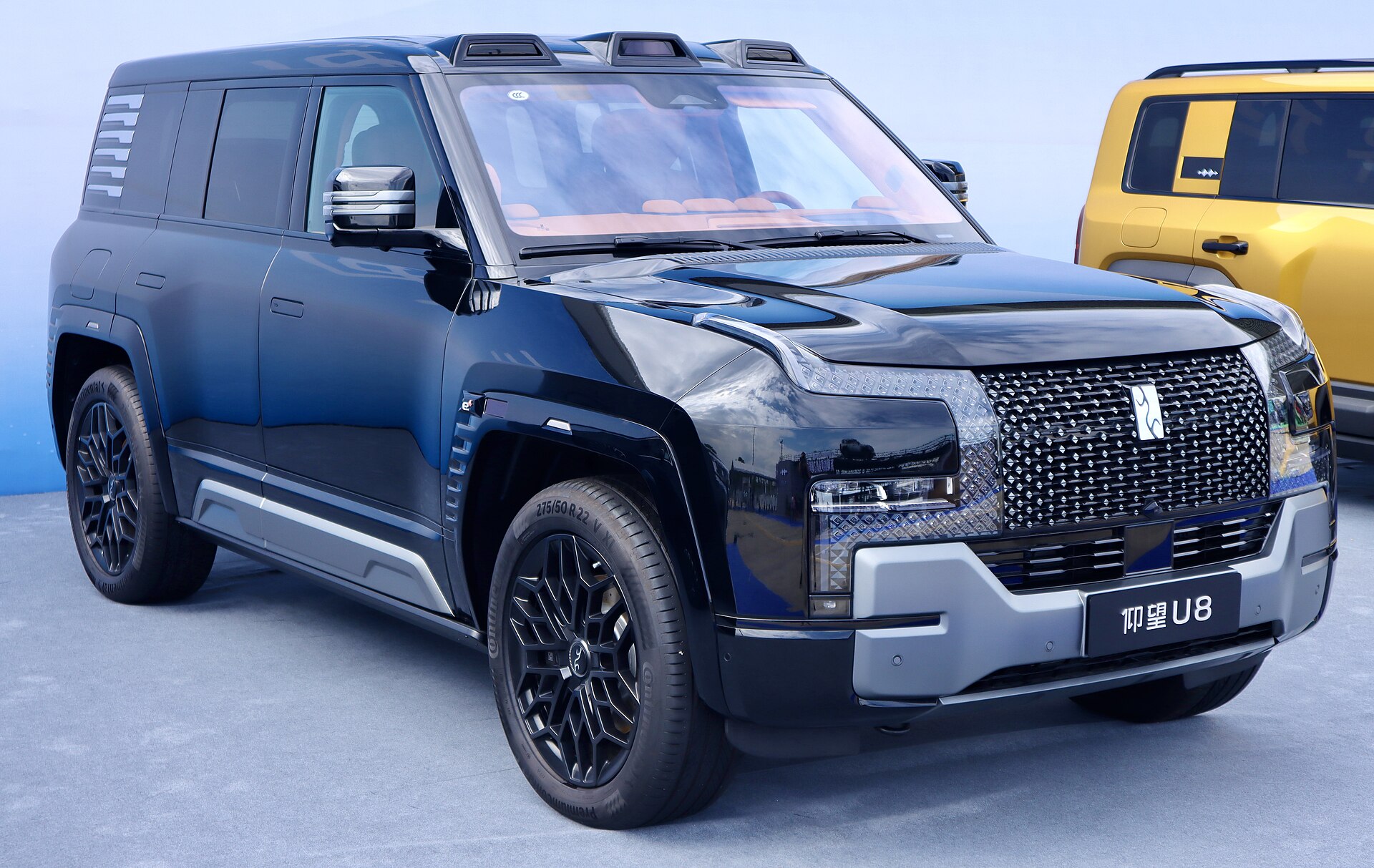
01 · The Headline
One factory. The footprint of a city.
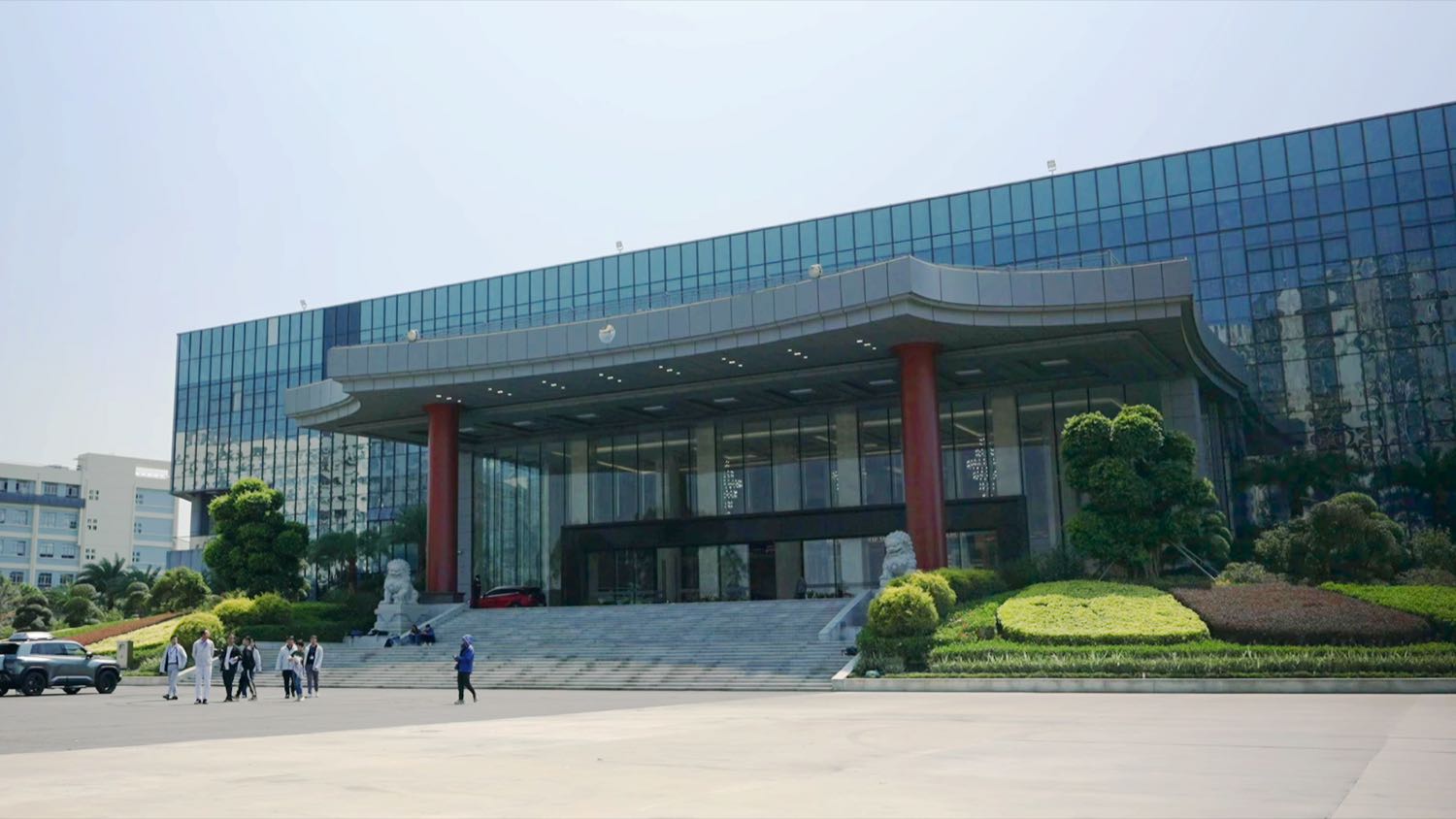
BYD's Zhengzhou complex in Henan, China is widely reported as the world's largest EV manufacturing site — a planned build-out of up to ~130 km² (≈50 sq mi), comparable in land area to San Francisco.
Roughly one EV rolls off the line every minute, and a battery cell every ~3 seconds — up to 50 cars per hour, with parts tolerances controlled to 0.01 mm.
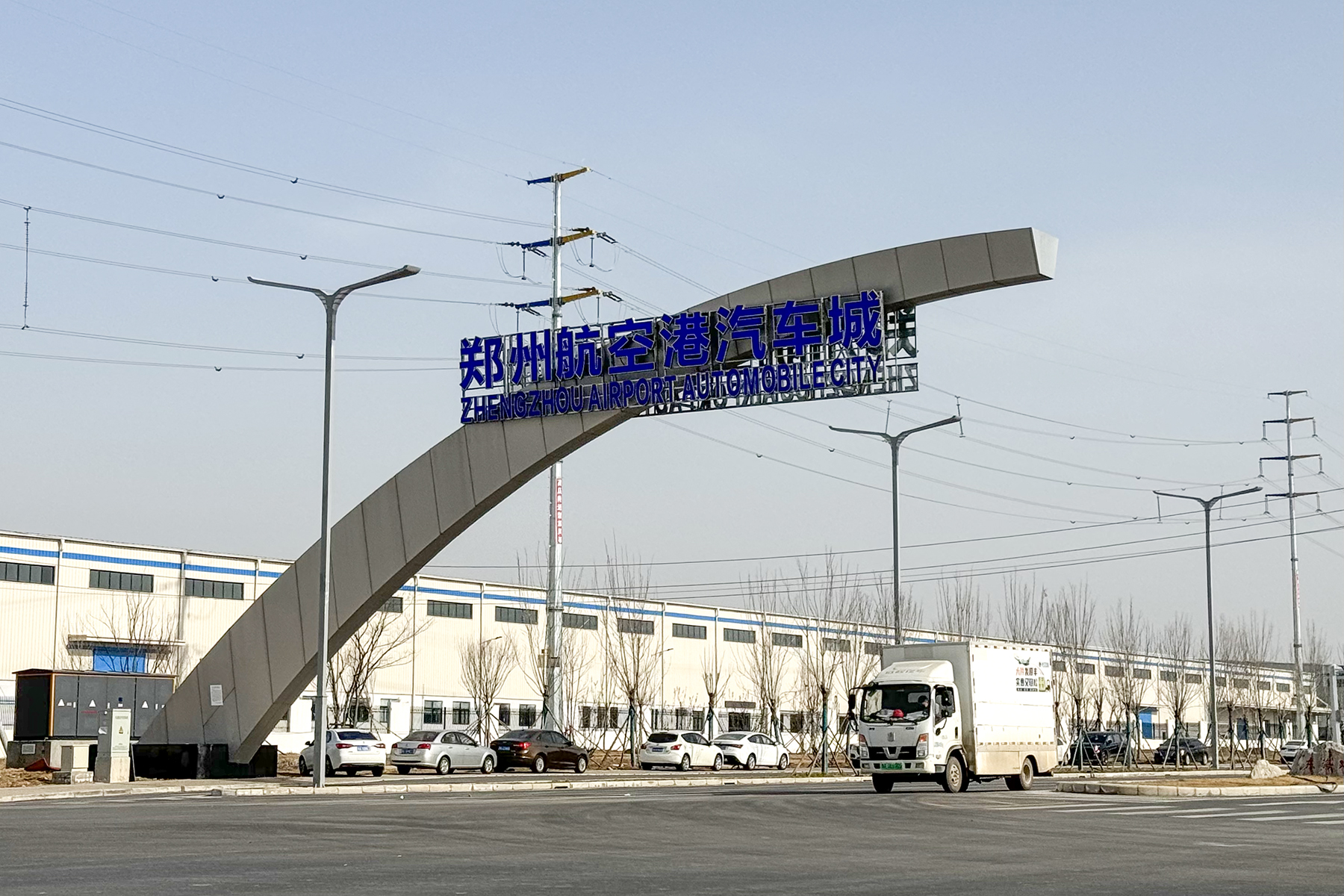 02 · Origins · 1995–2008
From a battery workshop to a carmaker
Wang Chuanfu, age 29, founds BYD in Shenzhen as a rechargeable-battery maker. The name means “Build Your Dreams.”
Becomes a top global supplier of Ni-Cd, NiMH and Li-ion cells for phones and electronics.
Acquires struggling Xi'an Qinchuan Automobile — BYD Auto is born; pivots its battery know-how into cars.
Warren Buffett's Berkshire takes a ~10% stake; BYD launches the F3DM, an early plug-in hybrid.
BYD employs ~703,000 people worldwide, and its auto business is over 80% of revenue.
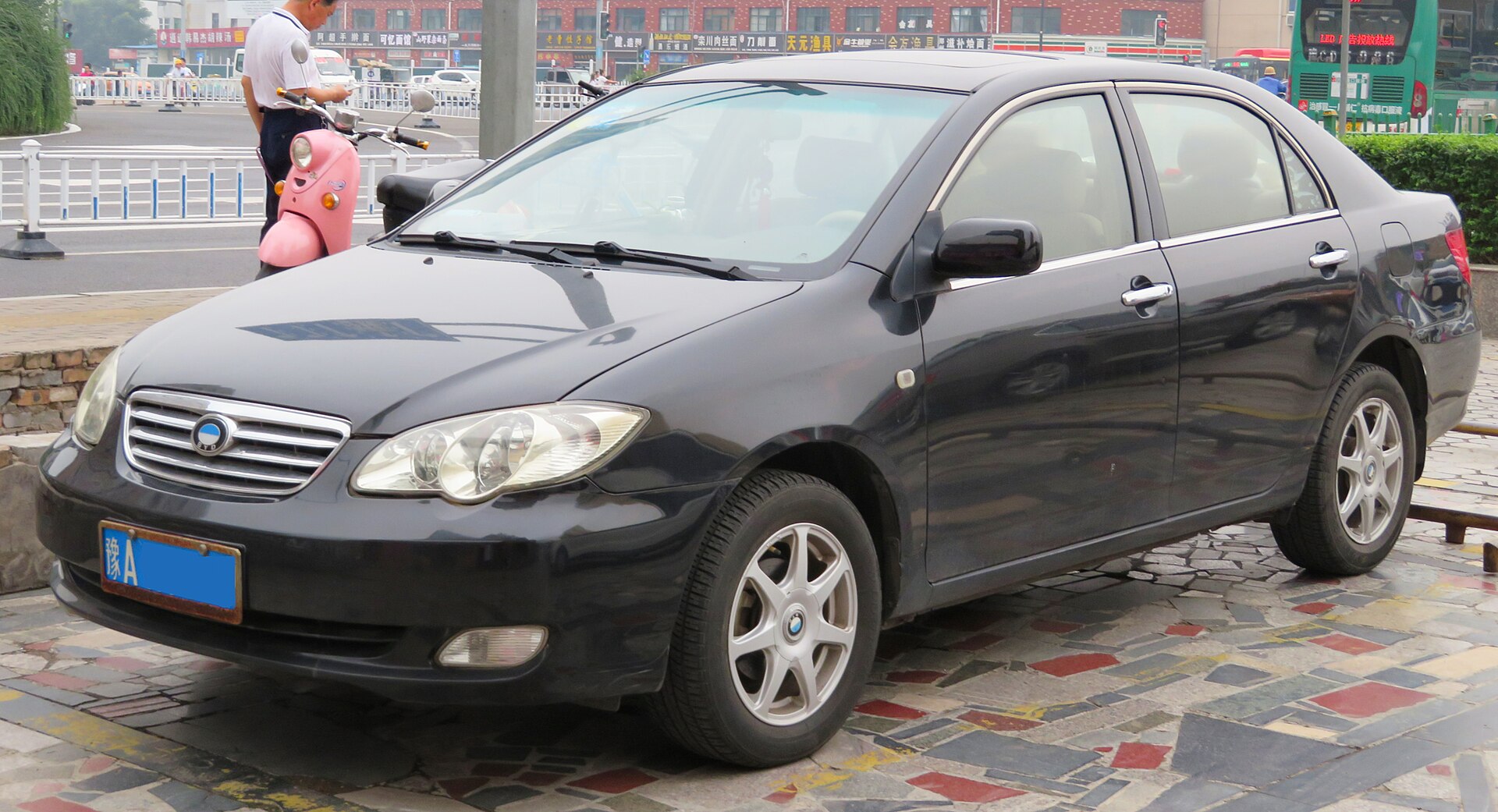 03 · The Megafactory
Not just a plant — a self-contained city
To attract and retain a workforce at this scale, BYD built the community around the factory. The site functions like a small city, co-locating labour, housing and logistics in one place.
Worker Housing
High-rise dormitories for 200,000+, free or subsidised.
Schools
On-site education for workers' families.
Hospitals
Medical facilities inside the complex.
Stadiums & Sport
Football pitches and recreation areas.
Shops & Dining
Retail and subsidised canteens.
Roads & Transit
Internal road network and shuttle transport.
R&D Centres
Engineering and testing co-located.
Test Track
Added EV testing circuit on-site.
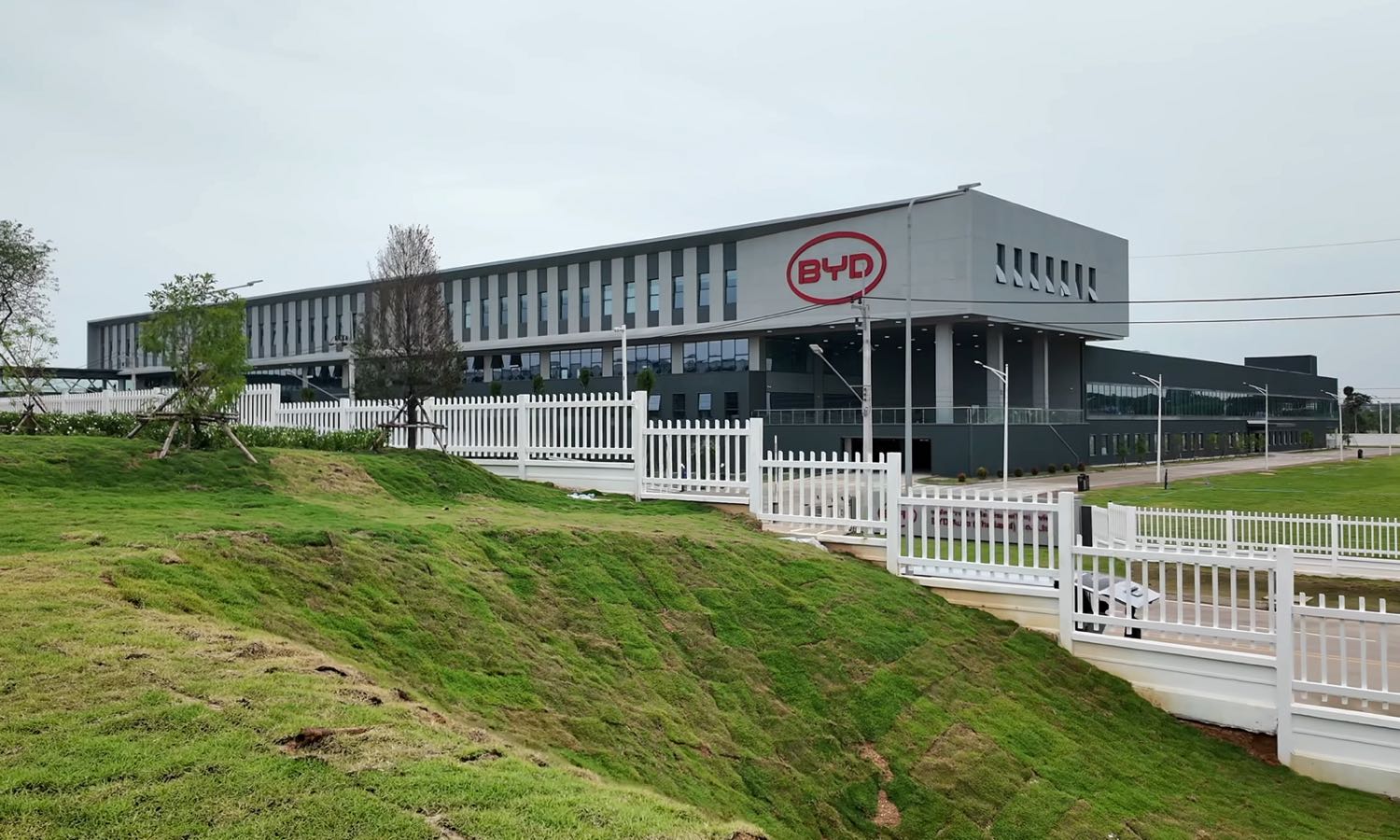 04 · Technology · March 2020
The Blade Battery: safety as a weapon
BYD's LFP (lithium iron-phosphate) “Blade” cell, made in-house by FinDreams. Its landmark nail-penetration test pierced three battery types — and the result reset EV safety expectations.
Nail-penetration test — peak surface temperature (°C)
Ternary cell caught fire (surface >500°C); standard LFP didn't burn but exceeded 200°C; the Blade stayed touchable at 30–60°C — no fire, no smoke.
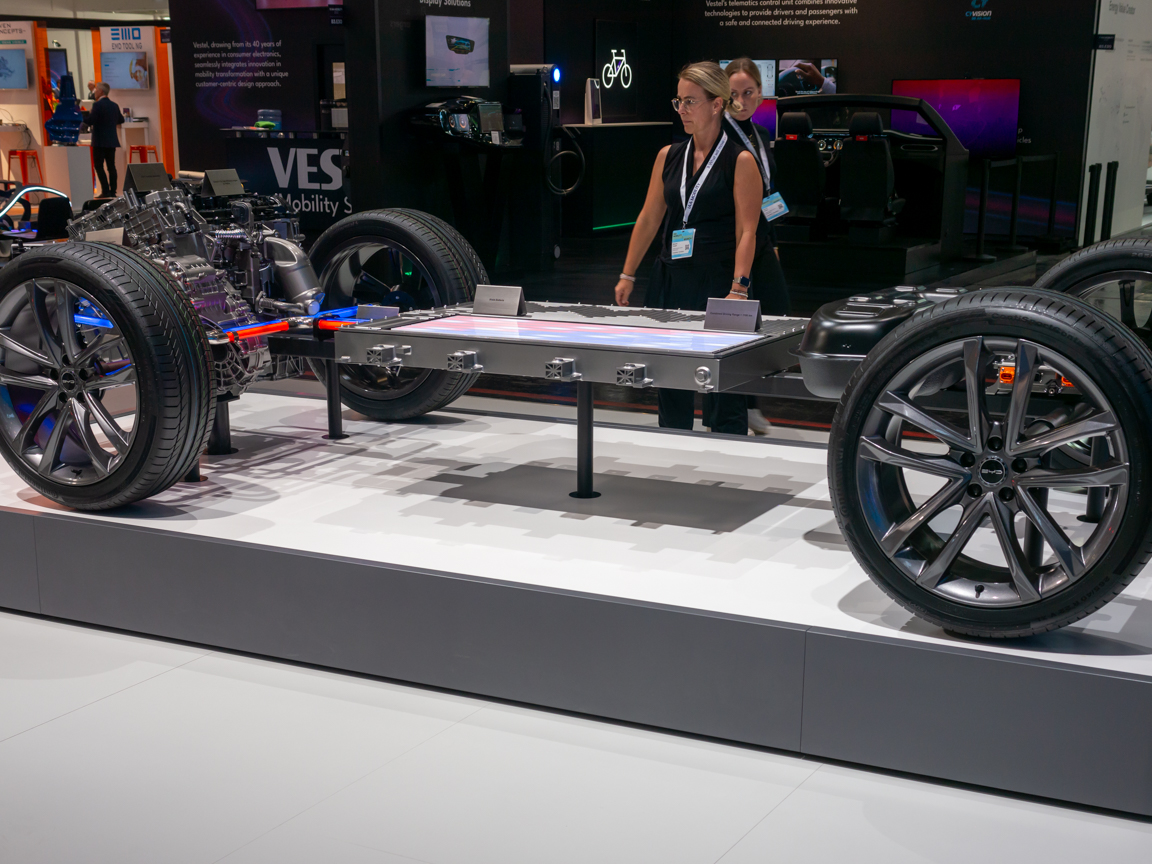
Cell-to-pack
Long flat cells pack directly into the pack — more range per volume, lower cost.
Chemistry as marketing
A cheaper, safer LFP bet became a headline safety advantage over rivals.
 05 · The Supply-Chain Moat
Vertical integration: 75%+ made in-house
BYD claims the highest degree of vertical integration of any automaker — controlling most of the value chain, from raw materials to the ships that export the cars.
 06 · Technology Edge
Own the chips. Charge in five minutes.
560+ in-house auto-grade chips
The latest, “Xuanji A3,” is its first assisted-driving chip (2026). ~40% of its chips are also sold to outside companies. SiC silicon-carbide power chips enable the 1,000V architecture.
“Megawatt flash charging”
5 minutes for ~400 km of range — charging at refuelling speed. 1,000 kW (1 MW) peak power at 1,000 A, on a world-first full-domain 1,000V high-voltage architecture.
 07 · Money · FY2024
The numbers behind the scale
Common-size view — share of FY2024 revenue (QuickBooks style)
Subsidy figure (2025, ¥12.5B) shown as an approximate share for teaching scale; auto-share reflects business mix.
 08 · The Rivalry
BYD vs Tesla — the 2024 crossover
2024 · revenue ($B) and vehicles sold (millions)
Revenue bars and vehicle-count bars are scaled within their own metric for visual comparison only — units differ ($B vs millions of cars).
Revenue crossover
BYD's revenue passed Tesla's for the first time — and it sold 2.4× more vehicles.
World's #1 EV seller
BYD overtook Tesla outright and surpassed Ford in global sales; overseas sales topped 1M for the first time.
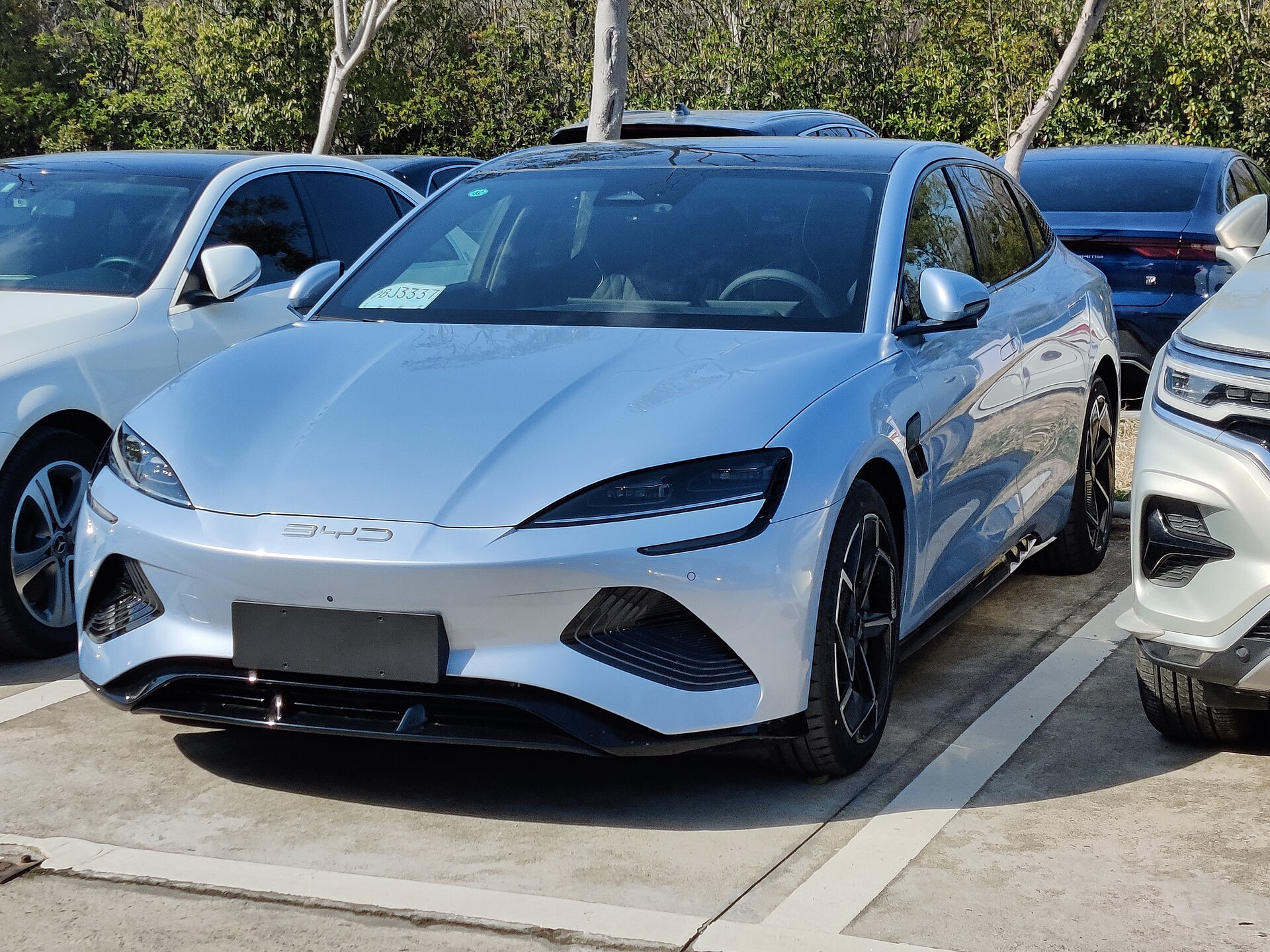 09 · Going Global
Factories beyond China
BYD is replicating its model abroad. Combined non-China capacity is heading toward ~820,000 vehicles/year as new plants come online.
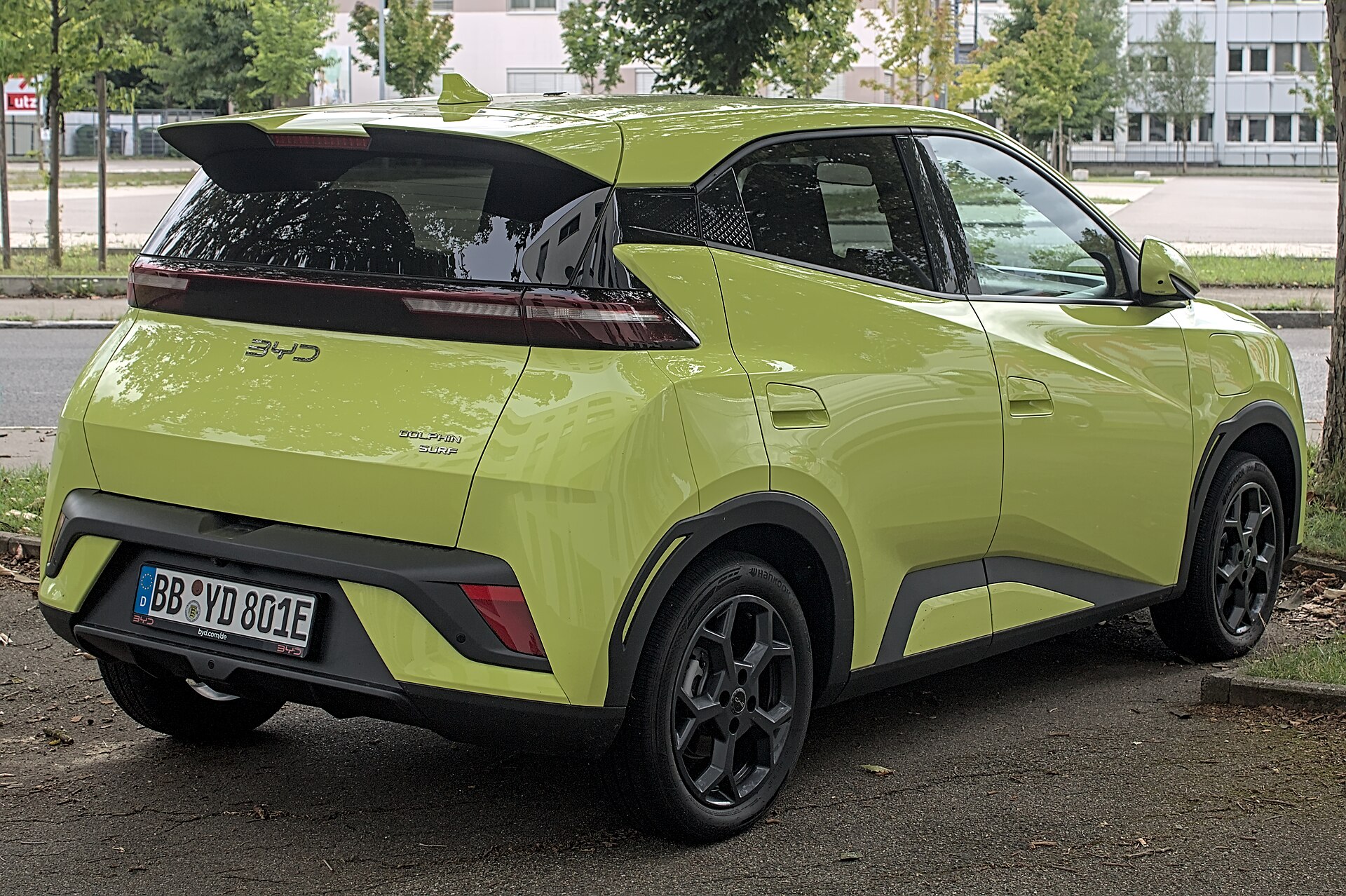
First European passenger plant
Pilot 2026; ~300,000/yr by 2030. Builds the Dolphin Surf.
First car off the line July 2025
~150,000/yr — but dogged by a labour controversy.
Operational
Exports across South-East Asia and to Europe.
~$1B plant
~150,000/yr, opening end-2025.
~820,000 vehicles/yr of overseas production & assembly once all plants are running.
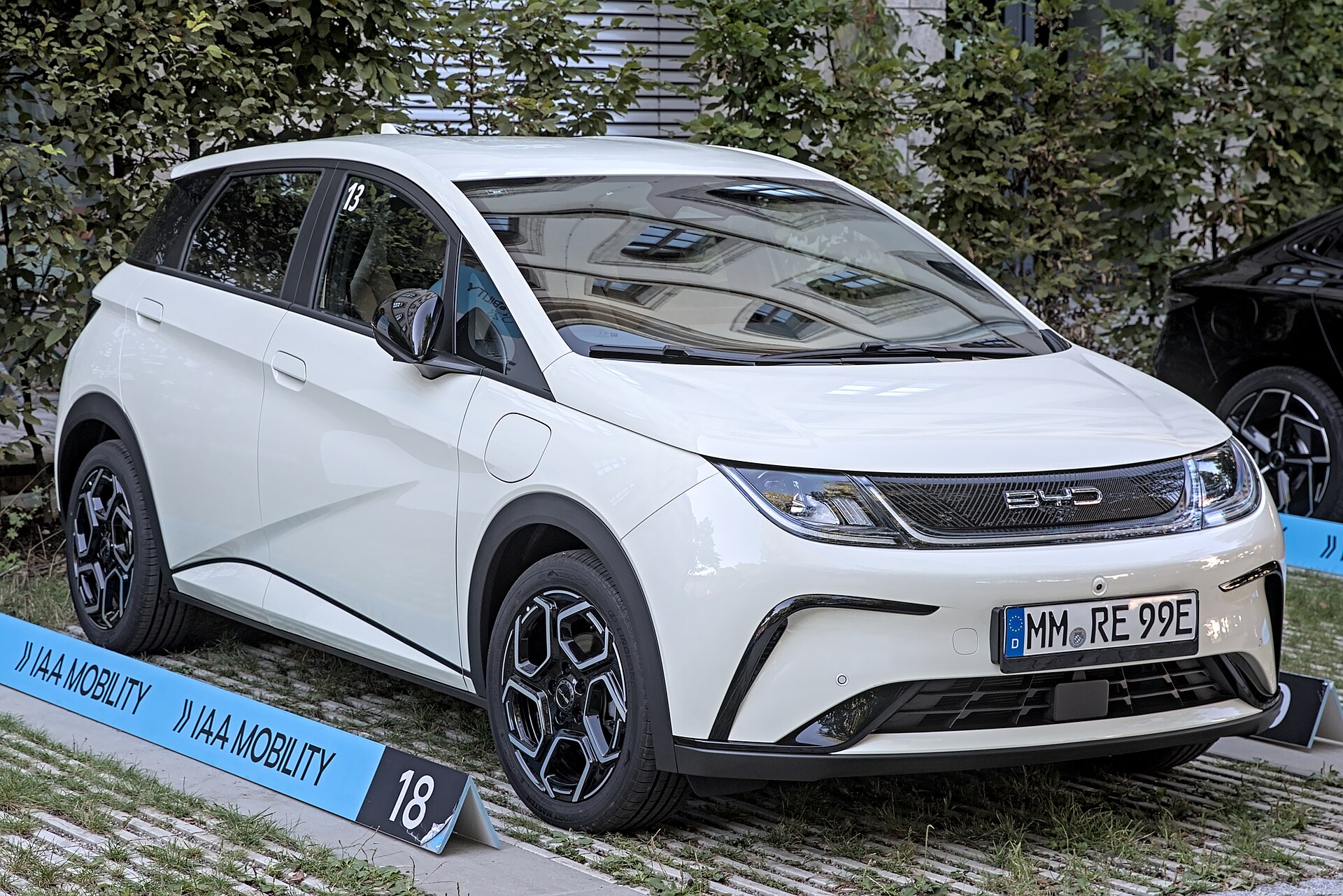 10 · What Managers Can Learn
Five supply-chain lessons
Integrate to control. Owning batteries, chips, motors and ships removes supplier mark-ups and shock points — and lets BYD re-price faster than rivals.
Co-locate to retain. The factory-city solves labour supply, housing and logistics in one footprint, shrinking lead times and turnover.
Innovate where it's safe. Betting on cheaper, safer LFP/Blade chemistry turned a cost choice into a marketing and safety advantage.
Scale builds a cost moat. Two-million-unit capacity spreads fixed costs thin — a structural price edge competitors struggle to match.
Resilience cuts both ways. Deep integration is efficient but concentrates risk: one disruption, policy shift or scandal hits the whole chain.
 11 · The Other Side
Criticisms, risks & open questions
Labour & ESG
Brazilian prosecutors sued BYD (2025) over the Camaçari site; workers reportedly couldn't leave dorms freely and had wages and passports withheld. Added to Brazil's “slave-like” labour registry (2026); similar concerns raised in Hungary.
Subsidies & “overcapacity”
BYD received ¥12.5B in state subsidies (2025). Western executives argue cheap labour, subsidies and overcapacity distort global EV competition.
Concentration risk
Deep vertical integration plus giant single sites mean one disruption, tariff or policy change can ripple through the entire chain.
Trade & tariffs
Tariffs in the US and EU, plus local-content rules, are a headwind to BYD's export-led growth.
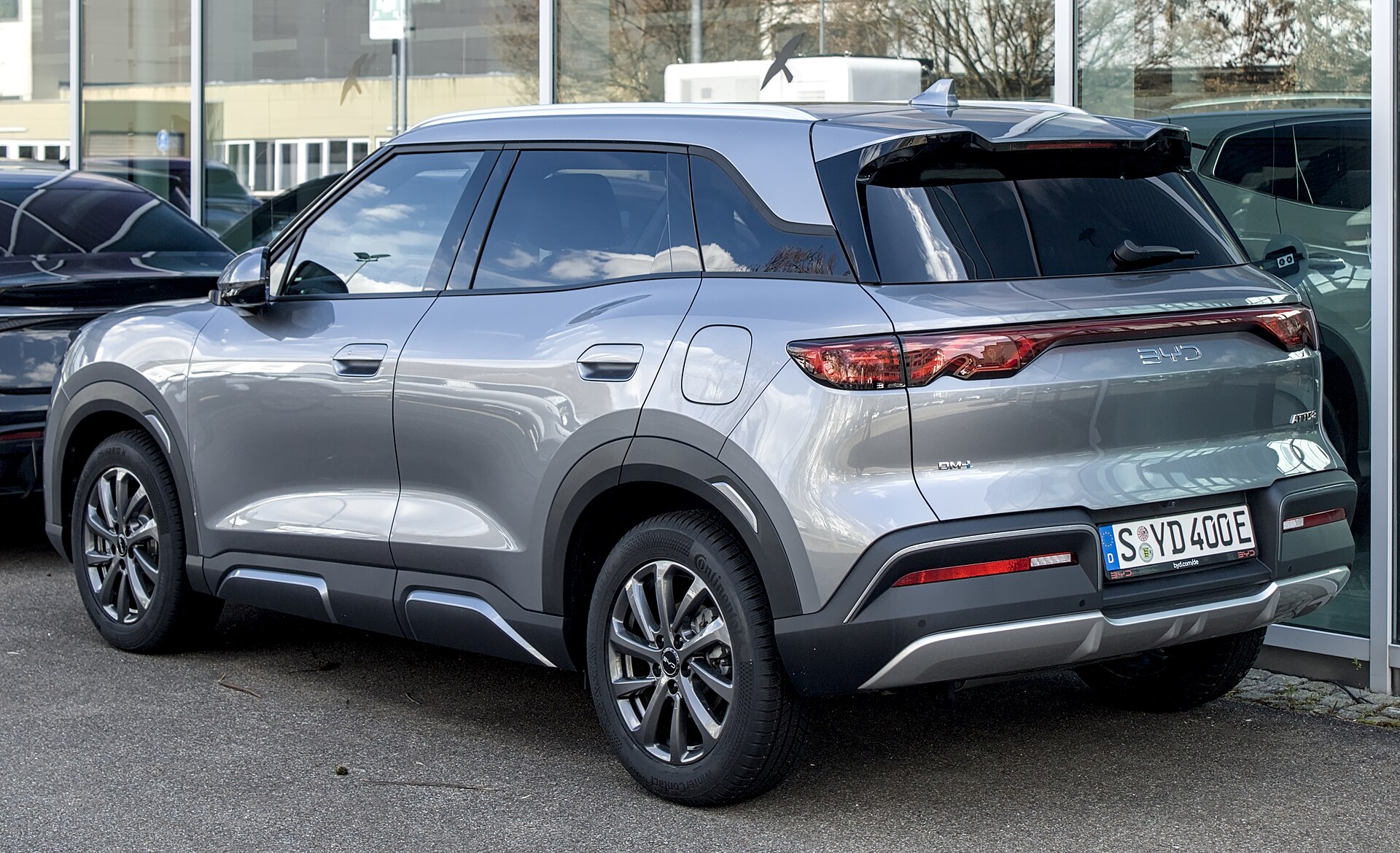 12 · The Takeaway
Scale is a strategy, not an accident.
BYD turned a battery business into the world's #1 EV maker by owning its supply chain end-to-end and building it bigger than anyone else dared. Zhengzhou is that philosophy poured into concrete — efficient, formidable, and not without controversy.
Photographs
Section photos are real images of BYD vehicles, sites and the Zhengzhou automobile zone, reproduced under their Creative Commons licences. The battery-platform photo is an industry example used to illustrate cell-to-pack design, not a BYD unit.
- “20231223 Sign of Zhengzhou Airport Automobile City” — Windmemories; CC BY-SA 4.0, via Wikimedia Commons.
- “2006 BYD F3 "QCJ7150A", front 8.4.18” — Kevauto; CC BY-SA 4.0, via Wikimedia Commons.
- “BYD Auto (Thailand) Co., Ltd. manufacturing plant in Rayong, Thailand” — iMoD Official; CC BY 3.0, via Wikimedia Commons.
- “IAA Summit 2023, Munich (P1110715)” — Matti Blume; CC BY-SA, via Wikimedia Commons.
- “BYD Company Limited headquarters 01” — iMoD Official; CC BY 3.0, via Wikimedia Commons.
- “BYD Han EV IAA 2023 1X7A0646” — Alexander-93; CC BY-SA 4.0, via Wikimedia Commons.
- “BYD Tang L EV IAA 2025 DSC 2306” — Alexander Migl; CC BY-SA 4.0, via Wikimedia Commons.
- “BYD Seal 005” — JustAnotherCarDesigner; CC BY-SA 4.0, via Wikimedia Commons.
- “BYD Dolphin IAA 2023 1X7A0634” — Alexander-93; CC BY-SA 4.0, via Wikimedia Commons.
- “BYD Dolphin Surf IMG 3808” — Alexander-93; CC BY-SA 4.0, via Wikimedia Commons.
- “BYD Atto 2 DM-i IMG 6075” — Alexander Migl; CC BY-SA 4.0, via Wikimedia Commons.
- “2024 Yangwang U8” — User3204; CC BY-SA 4.0, via Wikimedia Commons.
Sources
- BYD Company & BYD Auto — Wikipedia; Britannica Money (company history, employees, revenue mix).
- CnEVPost — “BYD sells record 514,809 NEVs in Dec, full-year 2024 sales reach 4.27 million”; 2025 sales; Q4 2024 earnings.
- BYD UK Media / Gasgoo / just-auto / CNN Business — FY2024 results: ¥777.1B revenue, ¥40.25B net profit.
- Thairath / IndexBox / InsideEVs / Business Today — Zhengzhou megafactory size, capacity, expansion & testing track.
- Nicamstar / ClickPetróleoeGás — Zhengzhou factory-city amenities (housing, schools, hospitals, stadiums).
- BYD.com / Battery Design / EVreporter — Blade Battery & nail-penetration test (March 2020).
- BYD.com / CnEVPost / InsideEVs / Electrek — Super e-Platform, 1,000V, megawatt 5-minute charging (March 2025).
- EVBoosters / Automotive Manufacturing Solutions / Tradlinx — vertical integration, FinDreams, BYD Semiconductor.
- Wikipedia: “BYD Brazil working conditions controversy”; Business & Human Rights Centre; Climate Rights International.
- Global Times / Electrive / CarbonCredits — 2025: BYD overtakes Tesla & surpasses Ford; subsidies disclosure.
Educational case study. Figures are drawn from public reporting and may vary by source and reporting date. Charts are illustrative.