Forwarded many times · Checked once
One Gram of Virus
The message says the whole planet was brought to its knees by a gram of something that isn't even alive. Three things in it are wrong. The true numbers are more humbling, not less.
A friend sent me the message below this week. I have received some version of it, I think, four times since 2020 — on WhatsApp, on LinkedIn, once printed and stuck to a noticeboard. It is beautifully written. It ends with BE HUMBLE, and it is hard to argue with that.
So I did the only respectful thing you can do with a message that asks you to be humble: I checked it.
The message, as it arrives
The weight of a virus is measured at 0.85 attograms or about one millionth of a trillion grams.
70 billion viruses that will make a person sick will be about 0.0000005 grams. Since the total number of cases worldwide is now over 2 million, the total weight of the rogue viruses that have descended on the world comes to about 1 gram.
The entire planet (or let's say MANKIND) is on its knees with just 1 gram of virus taking over!
So much for our illusions of self grandeur and achievements in science. Less than 1 GM of an organism that cannot even be called to be alive and the whole human race is at its knees.
BE HUMBLE…
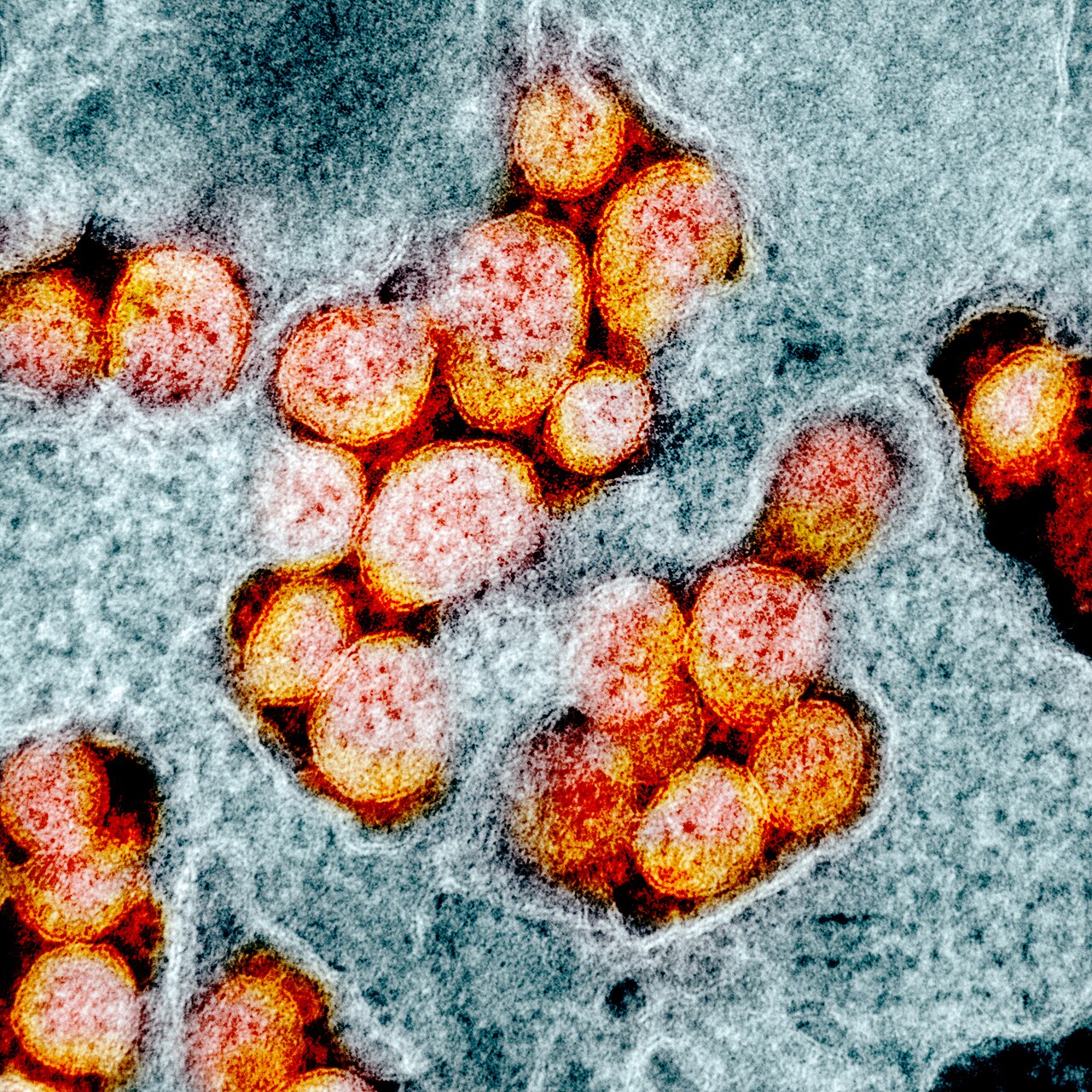
.jpg)
Error one — the arithmetic
Start with the message's own numbers and just multiply. Never mind whether they are the right numbers; do they even agree with each other?
Their numbers, their sum
0.85 attograms = 0.00000000000000000085 g × 70,000,000,000 = 0.0000000595 g ← they wrote 0.0000005 g × 2,000,000 cases = 0.119 g ← they wrote "about 1 gram"
The slip happens at the first step and then rides along to the end. Both figures are too heavy by the same factor — about 8.4 times.
So the message does not even reach its own headline. Feed it its own inputs and the answer is roughly a tenth of a gram. Which, for what it's worth, makes the poetry better. They undersold themselves by writing it up.
Error two — the input
Now the more serious problem. Where does 0.85 attograms come from? Nowhere I can find. It is not the mass of SARS-CoV-2, and it is not the mass of any virus I know of.
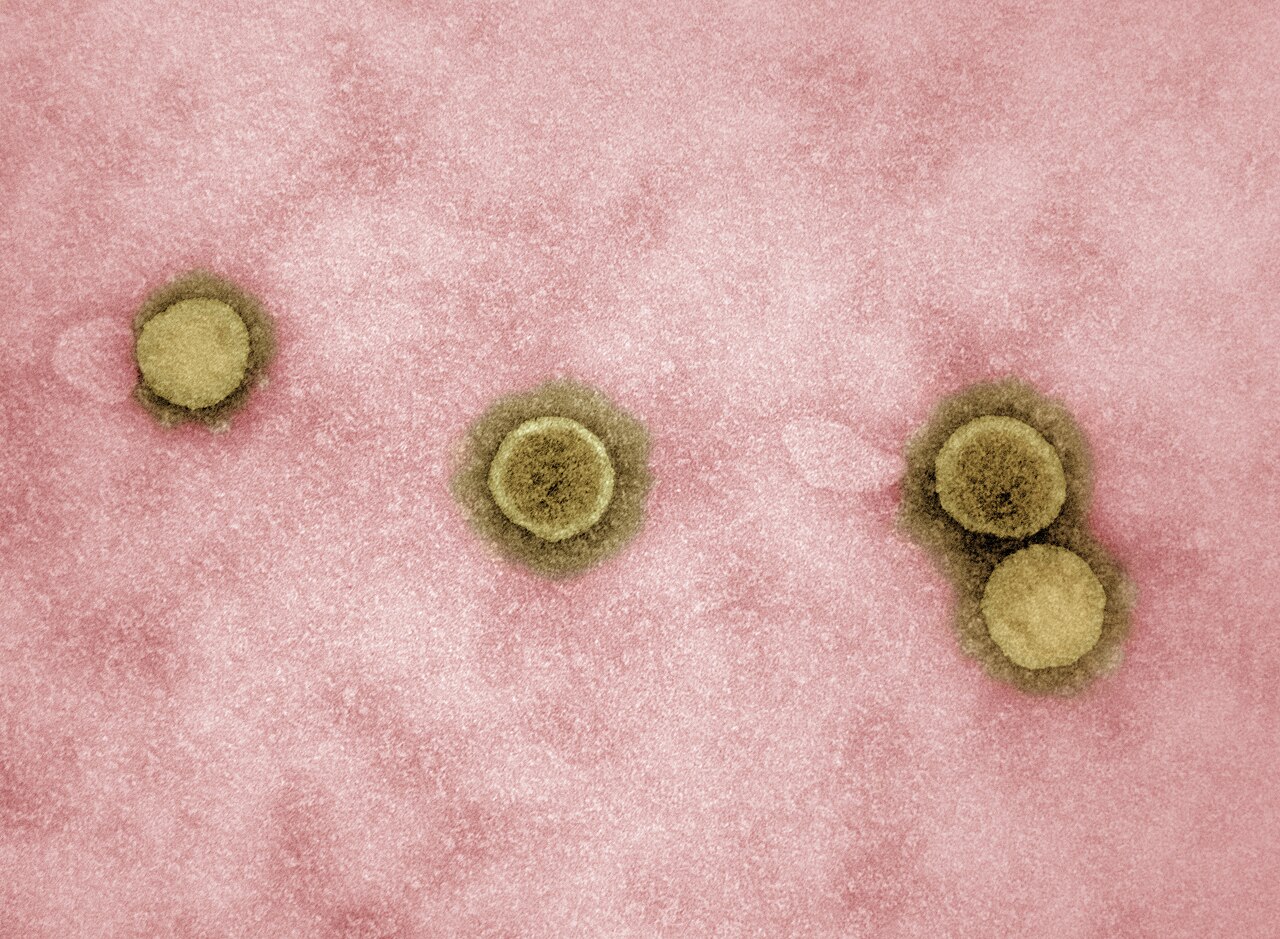
You can sanity-check it without a laboratory. A coronavirus particle is about 100 nanometres across. Treat it as a sphere of roughly the density of water, work out the volume, and you land near one femtogram — a millionth of a billionth of a gram. That is also the figure the virologists publish. Sender and colleagues, in PNAS, state it plainly: "each virion has a mass of ≈1 fg."
How far off is the forward?
Forward says 0.85 attograms = 0.00000000000000000085 g Reality is ~1 femtogram = 0.000000000000001 g ≈ 1,200 × heavier
Not a rounding error. The message is out by more than three orders of magnitude, in the direction that makes its punchline possible. Fix this one number and "one gram" collapses immediately.

Error three — the method
This is the one nobody notices, and it is the biggest.
The message takes the number of virions in one sick person and multiplies it by every case that has ever been counted. But those cases did not happen at the same time. They happened across years. And a virus particle is not a brick — it is made, it infects or it fails, and it falls apart, all within hours. The body is running a factory, not a warehouse.
So "the total weight of the rogue viruses that have descended on the world" is not one number. It is two different questions, and they have two very different answers:
How much exists right now, in everyone alive who is infected?
Somewhere between 0.1 and 10 kilograms, at the height of the pandemic. Not one gram. A bag of sugar, give or take.
How much was ever manufactured, across the whole pandemic, by everyone?
Between one and a hundred tonnes. That is the cumulative figure the message thinks it is calculating — and it is off by a factor of somewhere around a hundred million.
Both of those come from the same PNAS paper. And notice: neither of them is one gram, and neither of them is what the forward claims.
So what are the real numbers?
| The thing | What it weighs | How we know |
|---|---|---|
| One virus particle | ≈ 1 femtogram | 0.000000000000001 g. Sender et al., PNAS 2021. |
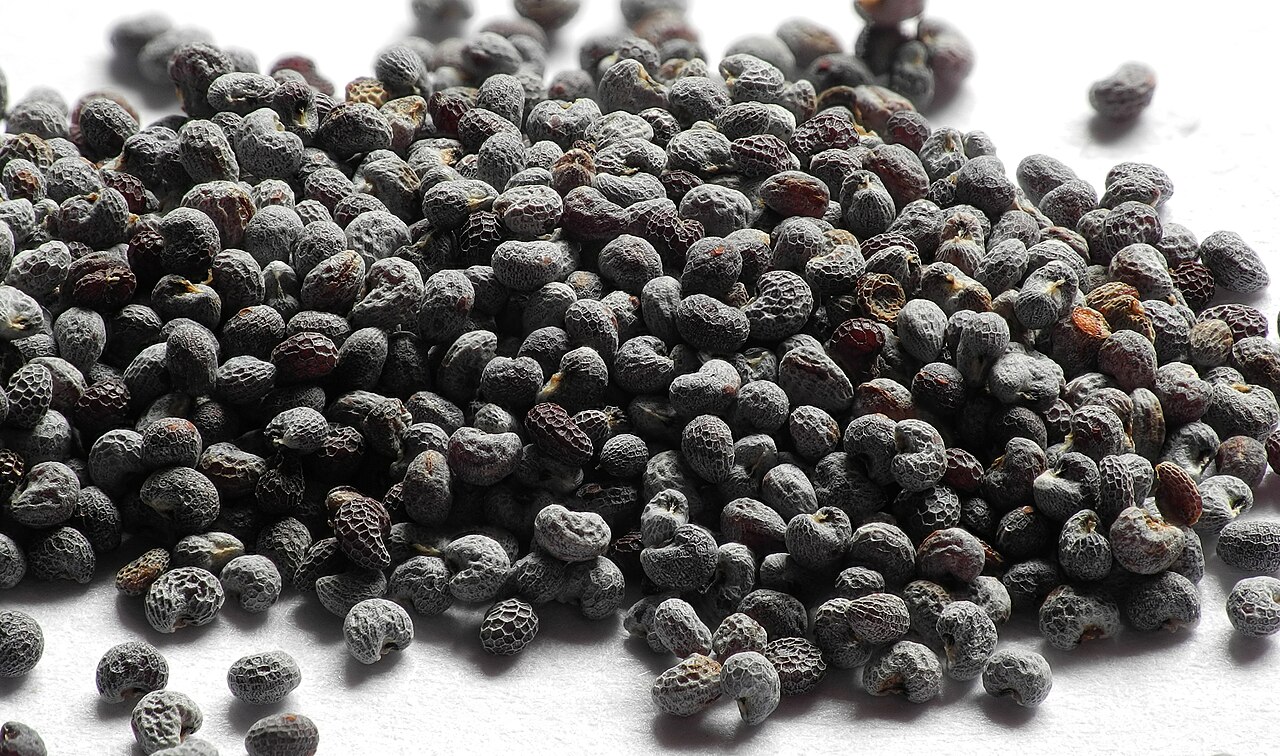
| Everything inside one very sick person, at peak | 1 – 100 µg | 10⁹ to 10¹¹ particles. The paper's own comparison: one to a hundred times lighter than a single poppy seed. |
| All the live virus in every infected human on Earth, at any one moment | 0.1 – 10 kg | Roughly 10¹⁷–10¹⁹ particles worldwide. |
| The volume that occupies | ≈ 160 ml | Christian Yates' calculation for BBC More or Less: all of it would fit inside a Coke can, with room to spare. |
| Everything the pandemic ever produced, cumulatively | 1 – 100 tonnes | 10³–10⁵ kg, same paper. |

And while we are here: the forward says "over 2 million cases worldwide." That freezes it in about the third week of April 2020. It has been forwarded, unchanged, for six years. The WHO's own data file, downloaded while writing this, last updated 19 July 2026, records 779,271,900 confirmed cases and 7,116,082 deaths.
Which is the quiet thing about forwards. The numbers stop; the sending doesn't.
Where the message is right
Now the part I don't want to lose, because the person who wrote this was reaching for something true.
"An organism that cannot even be called to be alive" — this is correct, and it is genuinely strange. A virus has no metabolism. It eats nothing, burns nothing, makes nothing, repairs nothing. It cannot copy itself. Left on a doorhandle it is inert chemistry, closer to a crystal than to a creature. It only becomes anything at all when it gets inside a living cell and borrows the machinery. Biologists have argued about which side of the line it sits on for a century and have not settled it.
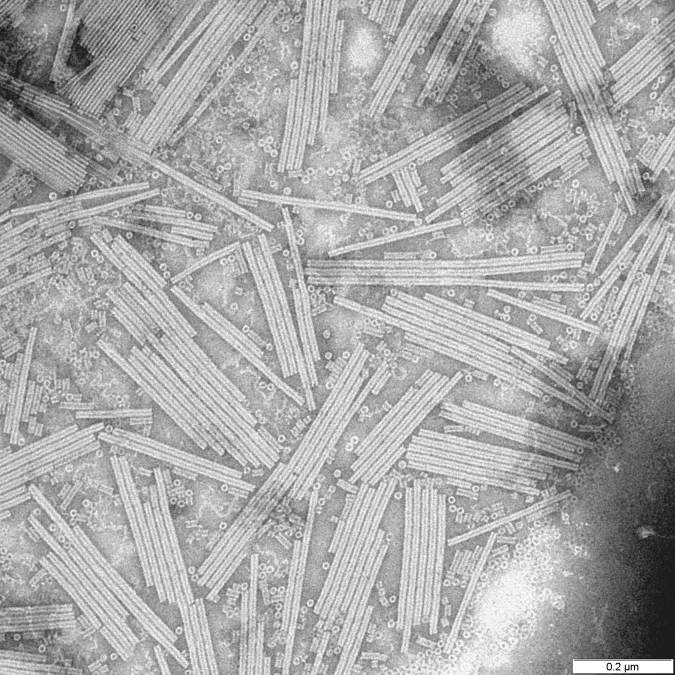
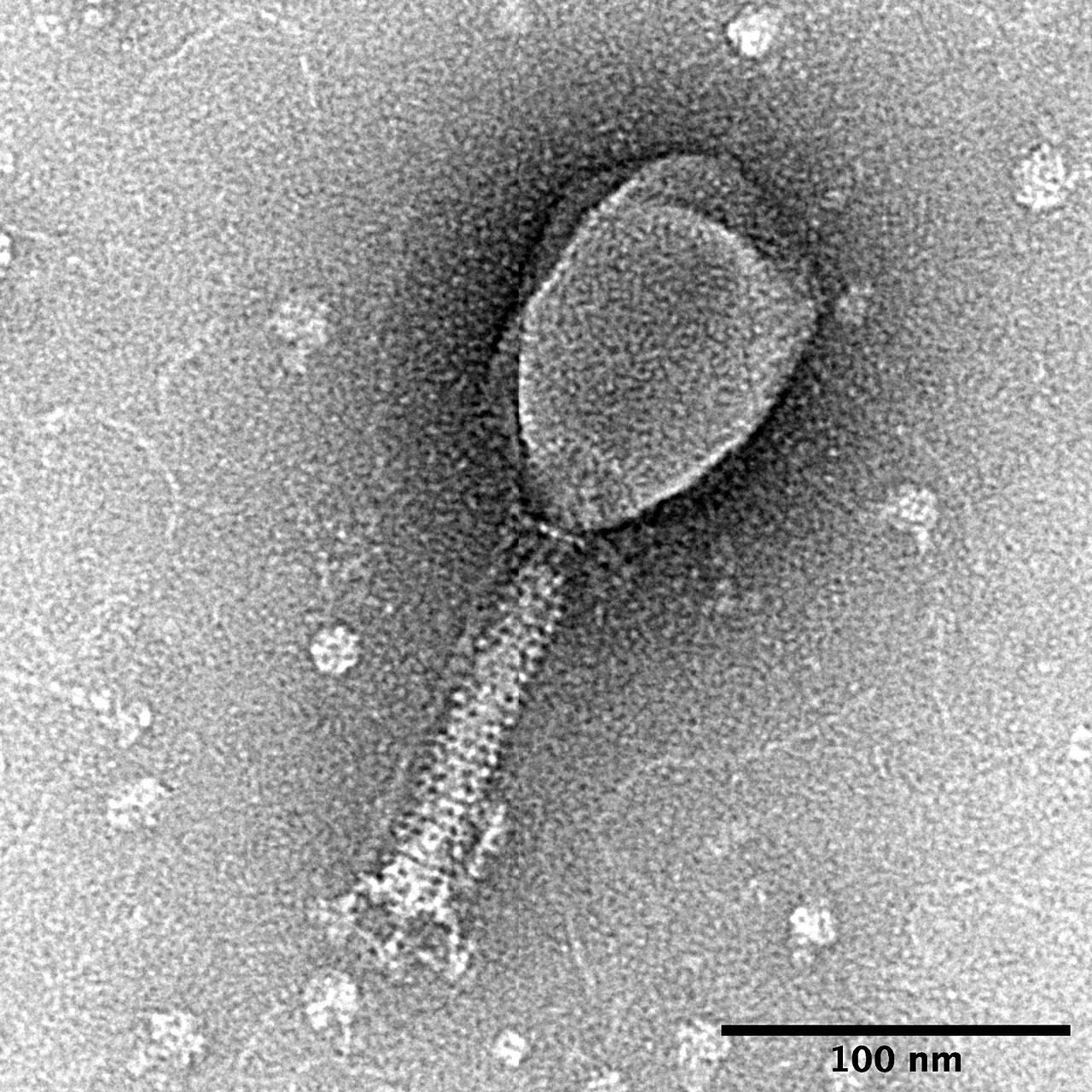

And the deeper point stands, once you say it properly. The virus never had mass on its side. It had leverage. A femtogram of RNA walks into a cell that weighs a billion times more and takes over the management. The damage was never done by the weight of the thing. It was done by the copying.
The one line I'd push back on
"So much for our illusions of self grandeur and achievements in science."
I understand the feeling. But look at what that sentence is standing on.
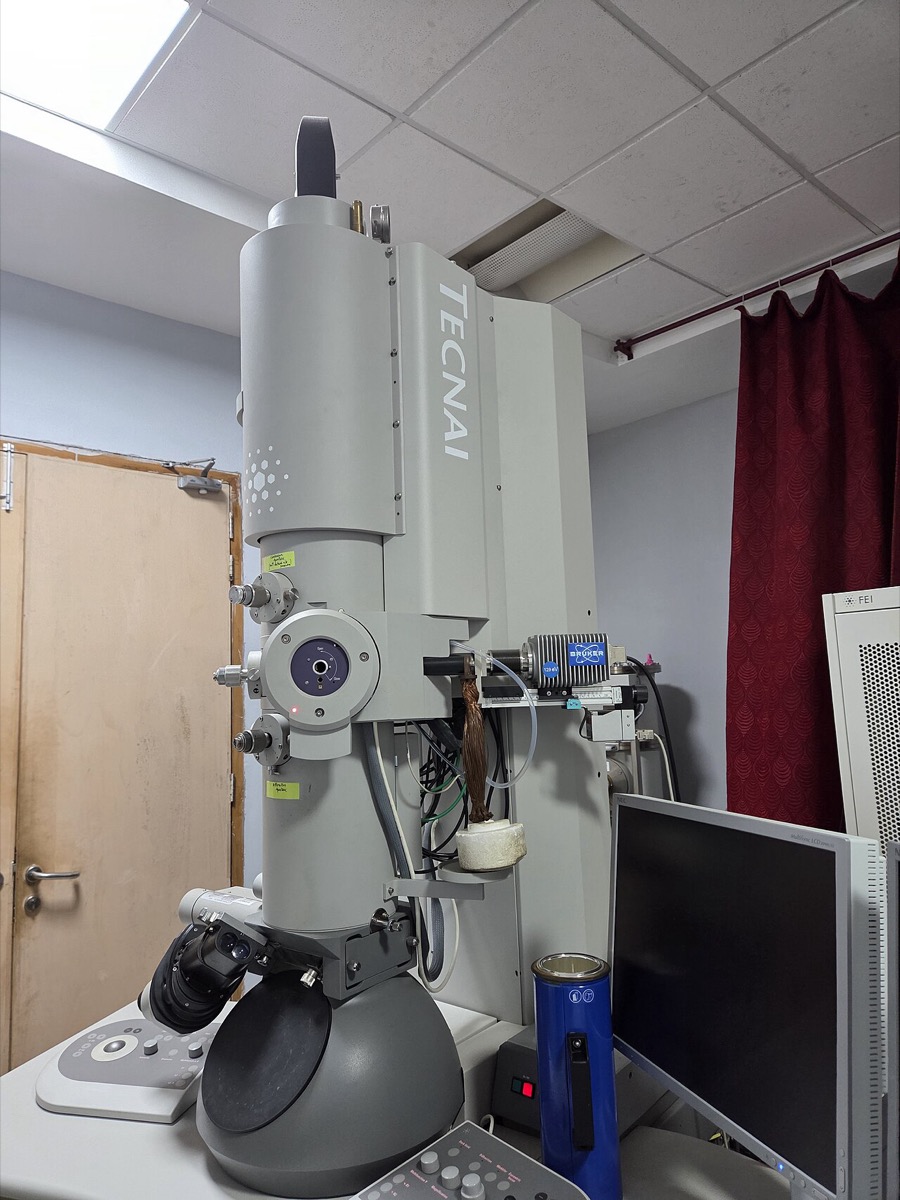
Every number in the original message — the mass, the count, the size — exists only because of the achievements it is dismissing. Somebody built a machine that fires electrons through a specimen to photograph an object a thousand times smaller than the wavelength of visible light. Somebody else grew the virus, spun it in an ultracentrifuge, stained it, weighed it, and published the figure that the forward then mistyped.
.jpg)
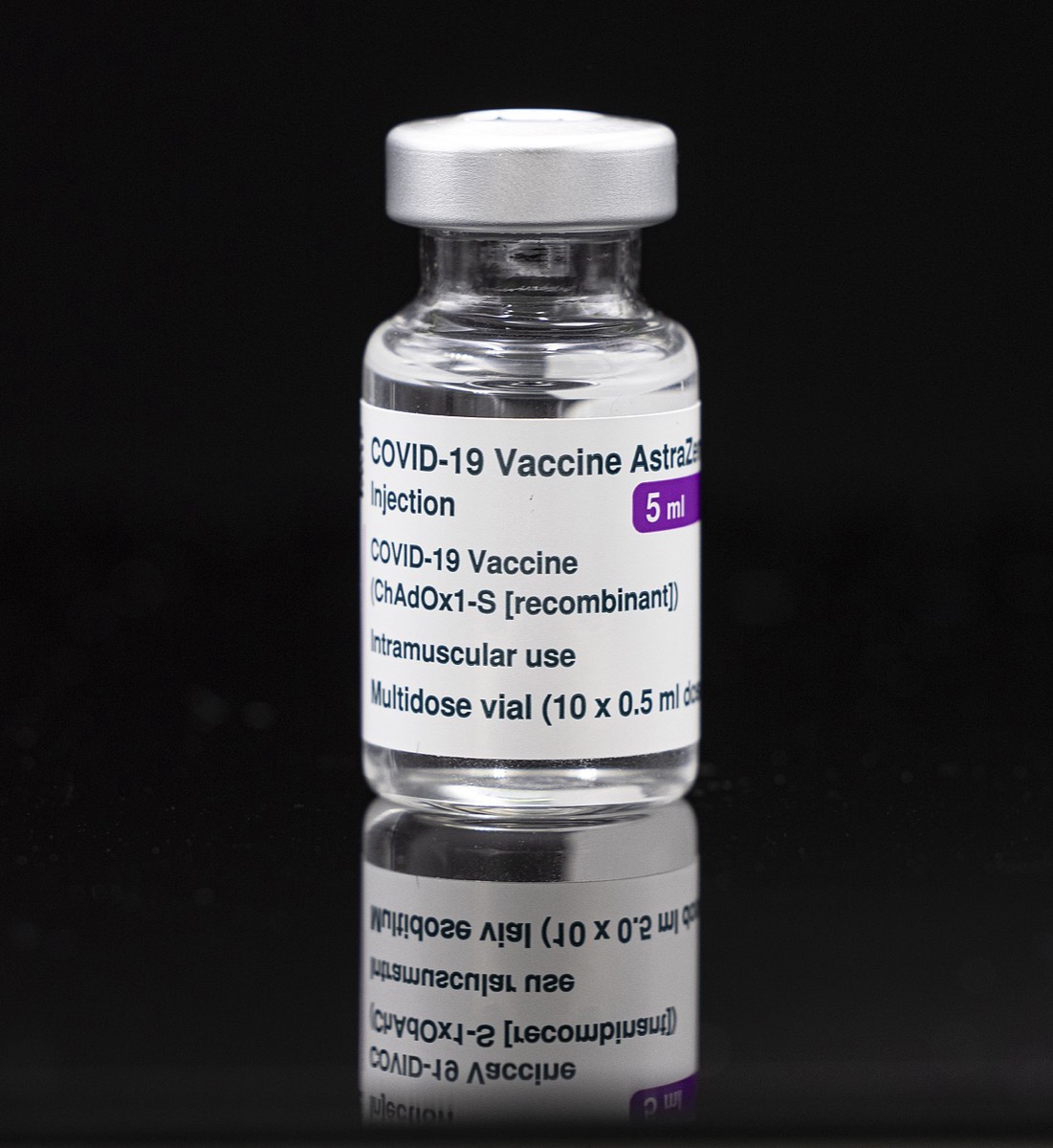
The genome was sequenced and published within weeks of the first cases. Vaccines followed inside a year, against every prior expectation of how long that takes. You can be humbled by the virus without being sour about the microscope. Both things happened.



So — be humble about what?
Not about the gram. There was never a gram.
Be humble about the poppy seed: that the entire viral load which put a man on a ventilator weighed less than a single seed off a bread roll, and his body still could not hold the line.
Be humble about the Coke can: that everything doing this to the entire species, everywhere, on the same afternoon, would fit in one tin with room left over.
And be humble about the forward itself. A true thing, sent with false numbers, does not stay true — it just travels faster. It took six years and four sendings before anybody in the chain, including me, sat down and multiplied.
Check the message. Then send the better one.
إِنَّ اللَّهَ لَا يَسْتَحْيِي أَن يَضْرِبَ مَثَلًا مَّا بَعُوضَةً فَمَا فَوْقَهَا
"Indeed, Allah is not shy to strike a parable — even of a mosquito, or what is smaller than it."
Sūrah al-Baqarah 2:26
Sources
- Sender R, Bar-On YM, Gleizer S, Bernshtein B, Flamholz A, Phillips R, Milo R. The total number and mass of SARS-CoV-2 virions. PNAS 118(25), 22 June 2021 — full text. Source of the 1 fg virion mass, the 1–100 µg per-person load and the poppy-seed comparison, the 0.1–10 kg global figure, and the 10³–10⁵ kg cumulative figure.
- Bar-On YM, Flamholz A, Phillips R, Milo R. SARS-CoV-2 (COVID-19) by the numbers. eLife, 2020.
- Yates C. All the coronavirus in the world could fit inside a Coke can, with plenty of room to spare. The Conversation, February 2021 — calculated for BBC Radio 4's More or Less. Note his own published correction: 2×10¹⁷ particles, not 2×10¹⁸.
- WHO COVID-19 global data, data.who.int. Case and death totals above are from the global CSV as at 19 July 2026.
- Images: NIAID, Wikimedia Commons contributors. Individual credits and licences under each photograph.